
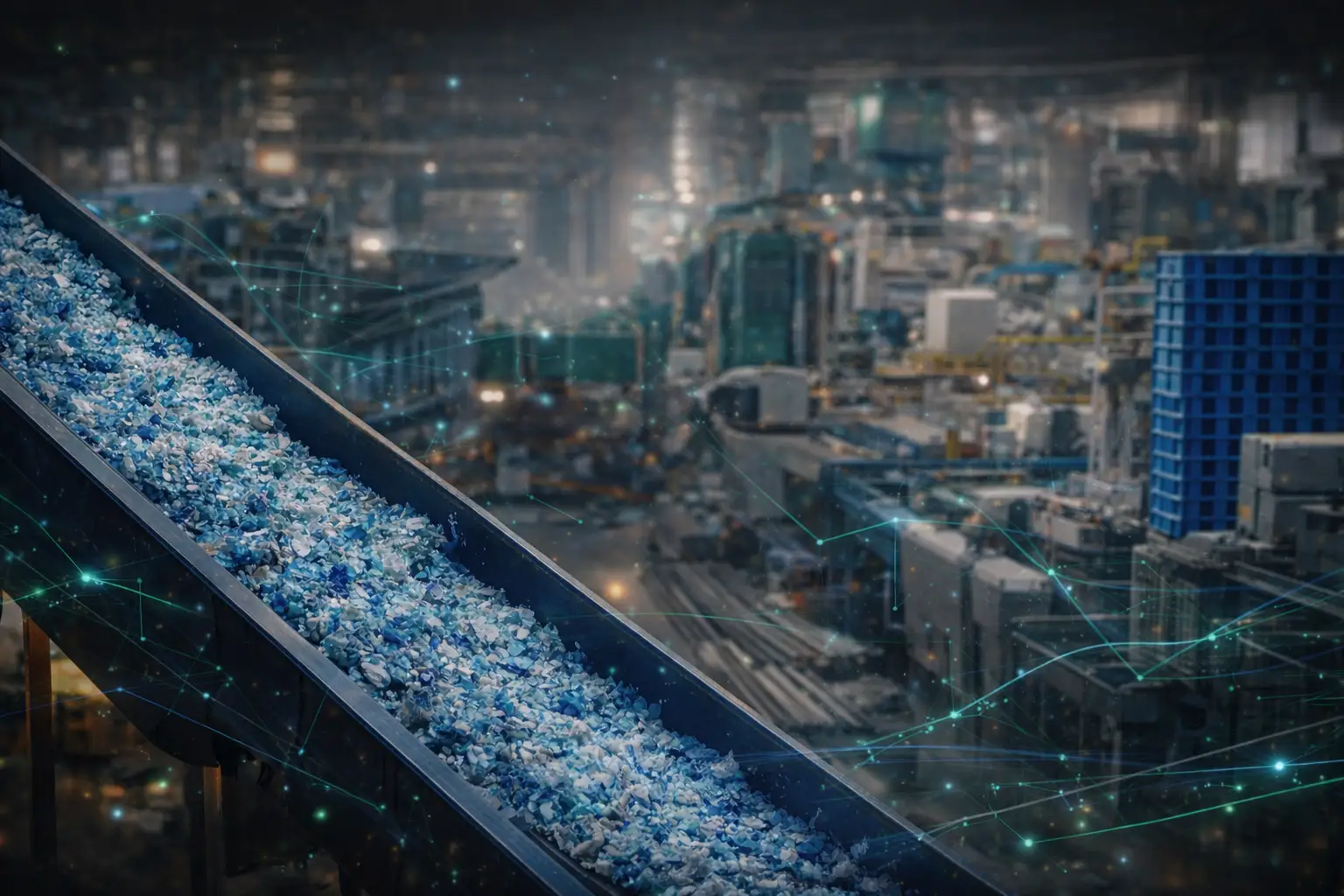

Plastic recycling depends on a steady supply of suitable post-industrial and post-consumer materials. For American recyclers, manufacturers, and material buyers, the challenge is often finding plastic scrap that matches technical and commercial requirements. Businesses that Buy Plastic Scraps need to consider quality, polymer type, contamination, quantity, and logistics before making purchasing decisions. A more structured approach can turn scrap procurement from a reactive activity into a reliable part of the recycling supply chain.
Understanding Plastic Scrap Categories
Plastic scrap covers a broad range of materials. HDPE containers, LDPE film, PP packaging, PET-related materials, production offcuts, and mixed plastics can all enter recycling channels.
Each category has different characteristics. A processor designed for rigid HDPE cannot necessarily treat flexible film in the same way. Correct material identification therefore becomes the first step toward an efficient purchase.
Why Polymer Identification Matters
When companies Buy Plastic Scraps, the polymer family can influence sorting methods, washing requirements, melting behavior, and final applications.
A simple label such as “plastic scrap” may not provide enough technical information. Buyers should seek details about polymer type and material origin whenever possible.
Would a low purchase price still look attractive if half the shipment required additional sorting?
Quality Factors Buyers Should Examine
Quality is determined by more than appearance. Moisture, contamination, color, material consistency, and foreign objects can all affect the usable value of a shipment.
Contamination and Processing Costs
Paper, metal, food residue, dirt, incompatible polymers, and other unwanted materials can increase processing costs. High contamination can also reduce recovered yield.
A buyer should therefore consider total processing economics rather than comparing purchase prices alone.
Quantity and Supply Consistency
Volume matters for businesses operating continuous recycling lines. A supplier offering a small quantity once may not satisfy a processor that requires regular monthly deliveries.
Reliable volume can support better production planning and reduce the need for emergency sourcing.

A Practical US Recycling Example
Imagine a US processor purchasing mixed rigid plastic scrap. The first offer appears inexpensive, but the shipment contains a significant proportion of unsuitable material. Sorting takes longer and usable output falls.
A second supplier offers cleaner material at a higher initial price. Because less sorting is required, the second shipment may generate a better overall return.
Another example involves manufacturing scrap. A factory generating consistent production offcuts can sometimes provide more predictable feedstock than mixed post-consumer material. The best source depends on the recycler’s processing capabilities and end-market requirements.
Efficient Sourcing Through Digital Platforms
A digital marketplace can help buyers discover material opportunities from multiple suppliers. This approach can be useful when traditional sourcing channels provide limited visibility.
A structured listing can communicate material type, quantity, location, packaging, and other relevant details. Buyers can then determine whether an offer deserves further discussion.
For US businesses, broader sourcing can also reduce dependence on a single supply channel.
Logistics Are Part of the Purchase
Transportation can significantly affect the final cost of plastic scrap. Distance, load size, bale density, fuel expenses, and unloading requirements all influence the economics of a transaction.
What is the real cost after transportation is included?
A strong purchasing strategy calculates the expected landed cost rather than relying solely on the listed material price.
Building Long-Term Supply Networks
Repeated transactions provide opportunities to measure supplier performance. Buyers can track whether material quality, quantity, delivery schedules, and documentation remain consistent.
Strong supplier relationships can also create better communication when market conditions change. During periods of tight supply, established commercial connections may provide useful alternatives.
The Role of WasteMarkt
WasteMarkt can be relevant to businesses seeking a more organized environment for recyclable-material trading. A marketplace approach gives buyers another channel for discovering plastic scrap opportunities while allowing suppliers to present their available materials to interested market participants.
The value of such platforms increases when listings contain accurate and practical information. Better data supports better decisions.
Frequently Asked Questions
1. What should businesses consider when they Buy Plastic Scraps?
They should evaluate polymer type, contamination, moisture, quantity, packaging, location, transportation costs, and expected processing yield.
2. Which plastic scrap types are commonly traded?
Common categories include LDPE, HDPE, PP, PET-related materials, rigid plastics, films, and manufacturing offcuts.
3. Is mixed plastic scrap always less valuable?
Not necessarily. Its value depends on composition, sorting requirements, contamination, local demand, and the buyer’s processing capabilities.
4. Why should transportation be included in price comparisons?
A low material price can become less competitive after freight and handling costs are added. Total landed cost gives a more realistic comparison.
5. Can manufacturing scrap be useful to recyclers?
Yes. Consistent production offcuts can offer predictable composition and quality, depending on the manufacturing process and material specifications.
6. Should buyers rely on one supplier?
Depending on several qualified supply sources can reduce procurement risk and provide greater flexibility when volumes or market conditions change.
Conclusion
Plastic recycling in the USA is moving toward a model where material intelligence and supply reliability matter as much as processing capacity. Businesses that Buy Plastic Scraps with a long-term sourcing strategy can position themselves to respond more effectively to changing availability and demand. WasteMarkt fits into this evolving landscape by providing a marketplace-oriented route for discovering recyclable materials. The strongest future opportunities may belong to businesses that treat plastic scrap not simply as waste, but as a measurable and strategically managed resource.


