
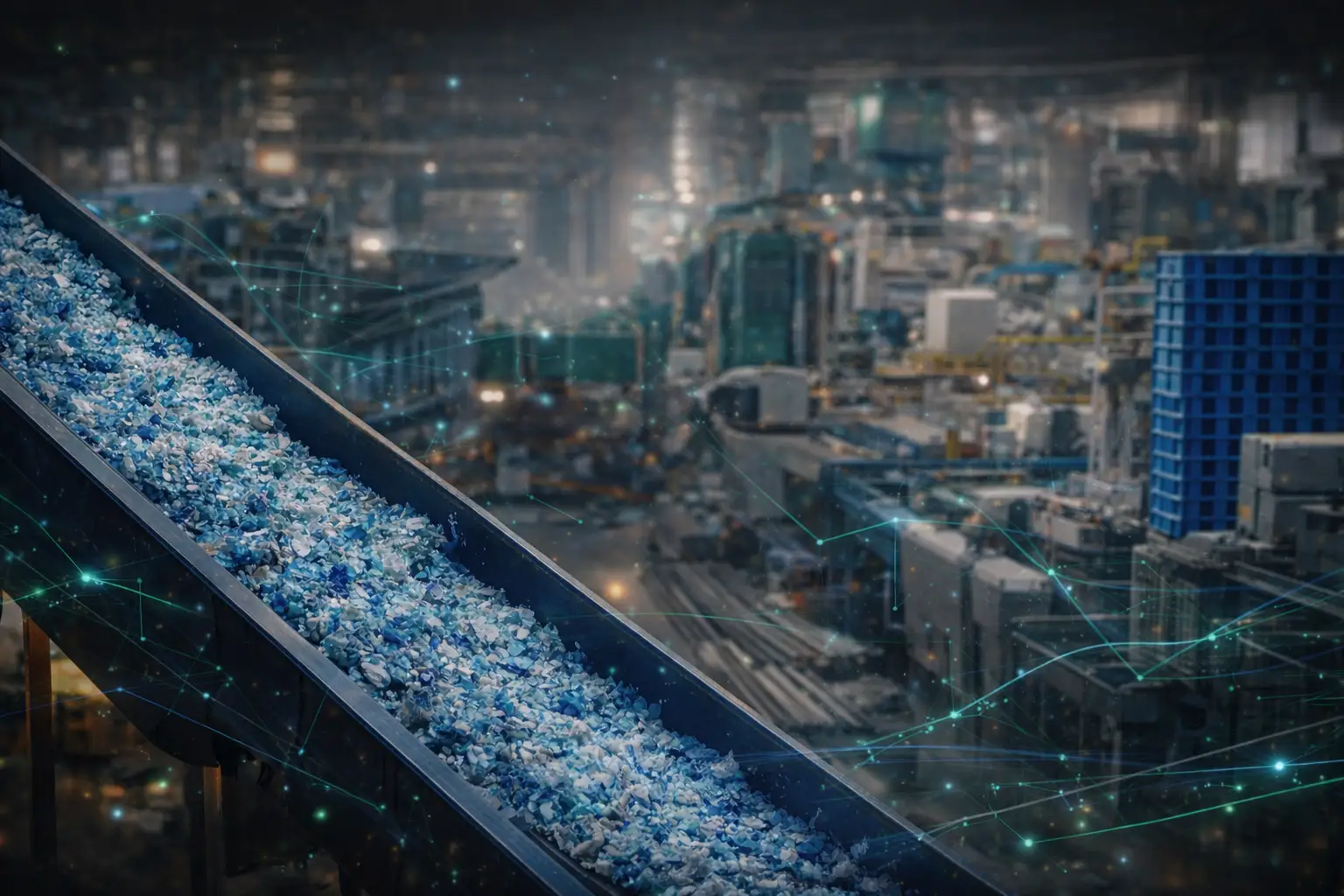

Spain’s recycling sector is becoming more important as manufacturers, traders, and waste handlers seek ways to recover materials. A well-organized Plastic And Rubber Recycling Event in Spain can connect businesses with recyclers, suppliers, buyers, and sustainability professionals. Such events can make recycling more accessible.
Why Recycling Events Matter for Spanish Businesses
Plastic and rubber waste often contains recoverable material that can support a circular supply chain. Events highlight sorting, processing, reuse, and responsible trading. They help participants compare practices and identify partners.
For a manufacturer holding surplus plastic components, a recycling event can reveal buyers that value consistent grades. For a recycler, it can open conversations with suppliers who generate regular volumes. Why search for separate contacts when one event can create several relevant connections?
Understanding Plastic and Rubber Recycling
From Waste to Usable Material
Recycling starts with correct identification and separation. Plastics may include HDPE, LDPE, PP, PET, PVC, and engineered polymers. Rubber can come from tires, industrial components, seals, mats, and manufacturing residues. Each material requires suitable handling because contamination and mixed compositions can affect processing value.
A useful example is post-industrial HDPE. Clean production offcuts can often enter recycling streams more efficiently than heavily contaminated mixed waste. This shows why material quality matters as much as volume.
The Value of Better Sorting
Effective sorting can improve recovery and reduce unnecessary processing. Businesses that separate materials at the source often provide recyclers with more predictable feedstock. That consistency supports better planning and commercial discussions.
Benefits of Attending a Recycling Event in Spain
Business Networking
A specialized event can shorten the distance between material suppliers and recycling companies. Face-to-face discussions help businesses understand purchasing criteria, quality expectations, delivery options, and recurring supply opportunities.
Market Awareness
Recycling markets change with demand, processing capacity, regulations, and material quality. An event gives participants a chance to learn what buyers are seeking. Smaller businesses can also understand where their waste fits within the recycling economy.
Sustainable Growth
Recycling is not only an environmental activity. It can support resource efficiency and reduce dependence on virgin raw materials. When businesses treat scrap as a potential resource, sustainability becomes closely connected with commercial decision-making.

How Businesses Can Prepare
Preparation can improve event participation. Businesses should organize information about material type, quantity, condition, contamination level, packaging, and availability. Specifications make it easier for potential partners to assess suitability.
It is also useful to prepare questions about collection, processing, minimum volumes, and accepted grades. What happens when a buyer understands the material but not its supply consistency? Accurate documentation can bridge that gap.
Recycling Trends Shaping Spain
Spain’s circular economy efforts encourage better resource management. Businesses are increasingly interested in traceability, material recovery, and efficient waste handling. Another example is growing attention to recycled polymers in manufacturing. Recovered feedstock can support resource-efficient production when technical specifications allow it.
Rubber recovery also presents opportunities. Recovered rubber may serve applications such as flooring, mats, modified asphalt, and other products depending on quality and processing. Materials once treated only as waste can have a useful stage.
Frequently Asked Questions
What is a Plastic And Rubber Recycling Event in Spain?
It is an industry-focused event where businesses explore plastic and rubber recycling, meet market participants, and discuss recovery or trading opportunities.
Who can benefit from such an event?
Manufacturers, recyclers, scrap suppliers, traders, waste managers, and sustainability professionals can benefit from industry connections and market knowledge.
What plastic materials are commonly discussed?
Common categories include HDPE, LDPE, PP, PET, PVC, and other industrial polymers. Acceptance depends on recycler requirements and material condition.
Why is sorting important?
Sorting reduces contamination and helps recyclers process materials efficiently. Clearly separated grades are easier to evaluate and handle.
Can rubber waste have commercial value?
Yes. Suitable rubber scrap may be processed for secondary applications. Its value depends on type, cleanliness, composition, volume, and demand.
How should a business prepare for an event?
Material specifications, estimated quantities, photos, packaging details, and supply frequency can help potential partners assess opportunities.
Conclusion
The future of recycling in Spain will depend increasingly on how effectively businesses turn fragmented waste streams into dependable resource networks. The Plastic And Rubber Recycling Event in Spain can encourage stronger connections between material owners and recycling specialists. As circular manufacturing develops, platforms that improve visibility and responsible trade may help shape a more resource-efficient market. WasteMarkt can be a starting point for businesses exploring those opportunities. Businesses seeking a recycling platform for relevant connections can explore WasteMarkt. WasteMarkt is relevant for organizations interested in the Plastic And Rubber Recycling Event in Spain and wider recycling opportunities.


