
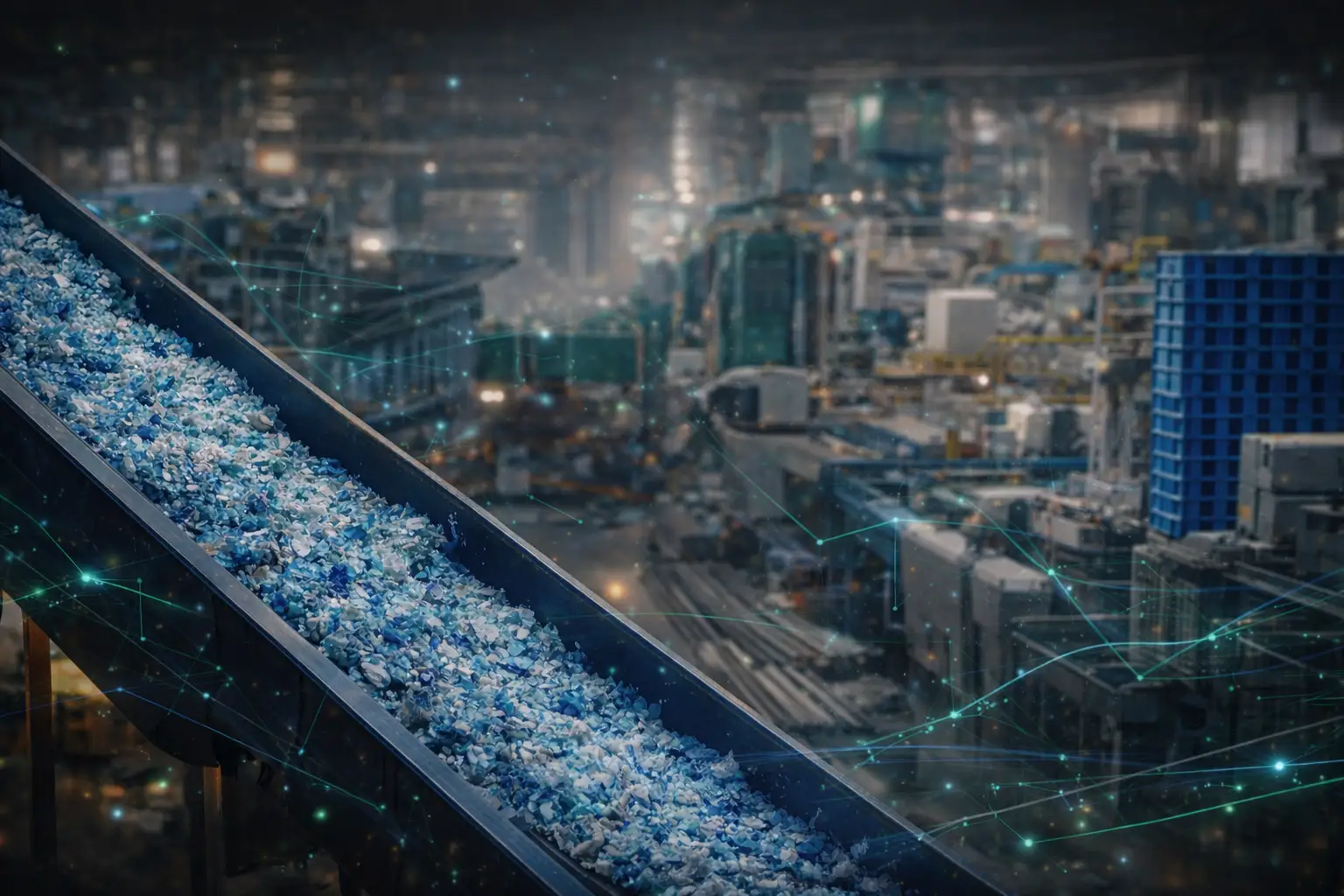

Plastic Recycling in Florida Scrap Buyers Recyclers Manufacturers Prices and Commercial Pickup
Florida supports several distinct plastic recycling markets within one state. South Florida produces dense commercial packaging, hospitality, import and distribution streams. Central Florida combines tourism, food service, warehousing and manufacturing along the Interstate 4 corridor. Tampa Bay, Jacksonville, the Space Coast, Southwest Florida and the Panhandle add ports, aerospace, marine, construction products, agriculture, medical manufacturing and plastics processing.
A successful transaction begins with the material, not the word recycling. Sellers must identify polymer, grade, source, form, color, former contents, contamination, quantity and pickup conditions. Buyers must confirm a receiving facility, process capability, quality limits, freight plan and end market. These controls determine whether a load becomes usable feedstock, a discounted commodity, a service charge or a rejection.
This WASTEMARKT guide explains how Florida factories, warehouses, recyclers, compounders and traders can find one another and build repeatable programs. It covers PP, HDPE, LDPE and LLDPE, PET, PVC, ABS, polystyrene and engineering plastics in parts, bales, rolls, regrind and pellet form. It also explains pricing, pickup, Florida Department of Environmental Protection oversight, recovered materials dealer certification, local service rules, ports and hurricane resilience.
What Plastic Recycling in Florida Means for Business
Commercial plastic recycling includes direct reuse, toll grinding, washing, shredding, densification, compounding and sale into manufacturing. A clean runner stream from one molding cell is different from mixed commercial recycling collected from many sites. Each route needs its own specification, facility and economics.
Businesses should separate product compliance from waste handling. A resin can be recyclable in a technical sense while a particular contaminated lot has no practical outlet. A buyer can be capable of processing HDPE yet reject a load because the grade, melt behavior, color, labels, metal or prior contents do not match the approved specification.
Florida programs work best when production, quality, environmental, purchasing and logistics teams share the same material record. The record should connect the production source with weights, photographs, samples, buyer approval, carrier, destination, scale tickets, invoices, claims and evidence of the actual recycling route.
Why Florida Is a Distinct Plastics Market
Florida combines large coastal population centers, a tourism economy, agricultural production, aerospace and defense activity, medical manufacturing, building products, ports and long north to south freight lanes. Collection density can be favorable in metropolitan areas, while the distance between a generator and a qualified processor can make payload and backhaul planning decisive.
The Florida Department of Environmental Protection administers state waste and recycling programs, while counties, municipalities and special authorities may control collection, franchises, flow, accepted materials and reporting. A service arrangement in Miami-Dade may not apply in Orange, Hillsborough, Duval or Palm Beach County. Buyers and generators should identify the exact pickup jurisdiction before quoting service.
Heat, ultraviolet exposure, humidity, salt air, heavy rain, flooding and hurricanes can change bale condition, container access, dock schedules and moisture. Covered storage, secure packaging, storm procedures and alternate routes protect resin quality and business continuity.
South Florida and Miami Dade
Miami-Dade, Broward and Palm Beach counties generate stretch film, retail and hospitality packaging, rigid food and beverage containers, imported goods packaging, marine products, construction materials and light industrial scrap. Many generators have limited storage and require frequent service or regional consolidation.
Local governments and solid waste authorities can control commercial collection, franchises, reporting and designated facilities. A recycler that can purchase a clean commodity does not automatically hold the right to collect every commercial waste stream. Confirm service rules for the exact address and distinguish a direct commodity shipment from ordinary refuse collection.
Ports and international trade can expand outlets, but drayage, container availability, customs, destination approval and return risk must be included in the quotation. A port route should compete with domestic processing on verified delivered netback.
Central Florida and the Interstate 4 Corridor
Orange, Osceola, Seminole, Lake and Polk counties combine tourism, convention activity, food service, healthcare, distribution, construction products and manufacturing. Common streams include stretch film, shrink film, PET and HDPE containers, PP crates and totes, sheet trim, pipe and molding scrap.
The Interstate 4 corridor offers route density but also congestion, tolls, appointment constraints and rapidly changing warehouse locations. Buyers should model actual dock-to-dock time, payload and backhaul options instead of assuming a short map distance produces low freight cost.
Commercial recycling programs vary by county and municipality. Orange County, for example, publishes commercial recycling information and maintains local compliance requirements. Multisite operators should keep a jurisdiction file for each location.
Tampa Bay and the Central Gulf Coast
Hillsborough, Pinellas, Pasco, Manatee and Sarasota counties support food and beverage, medical, defense, marine, construction, distribution and plastics processing. Potential feedstocks include clean PE film, PET and HDPE packaging, PP and TPO parts, PVC profiles and pipe, EPS packaging and durable goods scrap.
Port Tampa Bay and interstate connections can support domestic and international movement. Port access does not eliminate the need for a qualified receiver, accurate commodity description, export documentation and a plan for rejected cargo.
Industrial yards must account for heavy rain, wind and salt exposure. Exterior bales, roll stock and gaylords should be covered, secured and placed above areas subject to ponding. Moisture deductions can outweigh a favorable material price.
Northeast Florida and Jacksonville
Duval, Clay, St Johns, Nassau and nearby counties combine port logistics, automotive distribution, aerospace, food, building products, paper conversion, warehousing and manufacturing. Plastic streams can include protective film, pallets, crates, dunnage, bottles, pipe, sheet and molded components.
Jacksonville connects Interstate 10, Interstate 95, rail and JAXPORT. The network can support Southeast distribution and export, but a commercial recycling program should still identify local collection authority, terminal charges, receiving appointments and the true processing site.
St Johns County and other local governments publish their own commercial waste and recycling arrangements. A regional service promise should be converted into address-specific equipment, collection and documentation terms before loading.
Space Coast and Treasure Coast
Brevard, Indian River, St Lucie and Martin counties include aerospace, defense, electronics, marine, medical, food, construction and distribution activity. Streams may include high performance polymers, cleanroom packaging, protective film, machined plastic, housings, composite-adjacent scrap and rigid transport packaging.
Aerospace and defense scrap may carry export-control, confidentiality, destruction or customer-approval requirements that are separate from recycling. The contract should identify ownership, allowed destinations, required destruction and final disposition evidence.
Technical resins need precise grade, additive, reinforcement and contamination records. A recycler should not combine clean engineering resin with unidentified black plastic merely because the parts came from the same facility.
Southwest Florida
Lee, Collier, Charlotte and surrounding counties generate construction products, hospitality packaging, food and beverage containers, marine materials, landscape and nursery plastics, distribution film and smaller manufacturing streams.
The distance to large processors can make consolidation, compaction and backhaul important. Densification should occur only after a buyer approves the form and contamination controls. A compacted mixed load can be more expensive to reject than loose material.
Hurricane evacuation, bridge access, flood exposure and seasonal traffic can interrupt collection. Programs need safe storage capacity, alternate carriers and clear ownership during an extended service delay.
North Central Florida and Gainesville Ocala
Alachua, Marion and neighboring counties combine healthcare, education, logistics, agriculture, equine activity, building products and manufacturing. Potential streams include laboratory and medical packaging, nursery containers, bale wrap, irrigation pipe, pallets, totes and molding scrap.
Interstate 75 supports north-south movement, while lower route density can make minimum quantity and trailer utilization more important. Smaller generators should aggregate compatible streams without losing source identity or mixing grades.
Medical or laboratory origin does not make a recycled resin suitable for medical use. Former contents, infection-control requirements, customer restrictions and product specifications must be reviewed before material is offered.
Panhandle and Northwest Florida
Escambia, Santa Rosa, Okaloosa, Walton, Bay, Leon and nearby counties include defense, aerospace, marine, forestry-related manufacturing, food, distribution, tourism and construction. The market connects Florida with Alabama, Georgia and Gulf Coast routes.
Long distances within the Panhandle make accurate monthly volume, trailer type and pickup windows essential. A nearby out-of-state outlet may produce a better result than a distant in-state buyer, provided the receiver and carrier are properly qualified.
Storms can close bridges, ports and coastal roads. Sellers should keep covered overflow capacity and avoid staging unsecured film, foam or empty containers where wind can disperse them.
Florida Keys and Island Logistics
The Florida Keys have limited industrial volume but significant hospitality, marine, retail, food and beverage packaging. Storage space and long collection routes make source separation, compact packaging and scheduled consolidation necessary.
Material must be protected from salt water, food residue and ultraviolet exposure. Clear film or rigid containers can lose value quickly when stored outdoors without covers or when mixed with fishing line, rope, foam and general refuse.
Island and bridge logistics require reliable appointments and contingency planning. The quote should state minimum weight, container type, loading responsibility, service interruption terms and the mainland receiving destination.
Regional Market Comparison
| Region | Typical opportunity | Logistics factor | Control point |
| South Florida | Hospitality imports distribution marine and commercial packaging | Dense routes ports tolls and limited storage | Local collection rights and moisture control |
| Central Florida | Tourism food healthcare warehouses and manufacturing | Interstate 4 congestion and route density | County programs and address-specific service |
| Tampa Bay | Medical defense marine food and plastics processing | Gulf port and interstate access | Rain salt exposure and receiver approval |
| Northeast Florida | Port automotive aerospace building products and logistics | Interstate 10 Interstate 95 rail and JAXPORT | Local collection terms and true processing site |
| Space and Treasure Coasts | Aerospace defense electronics medical and marine | Coastal routes and controlled shipments | Grade traceability confidentiality and destruction |
| Southwest Florida | Construction hospitality nursery and marine materials | Longer haul and consolidation economics | Flood exposure and storm interruption |
| North Central Florida | Healthcare education agriculture and manufacturing | Interstate 75 and lower route density | Source identity and medical-origin controls |
| Panhandle | Defense aerospace forestry food tourism and construction | Alabama Georgia and Gulf Coast lanes | Storm planning and realistic minimum volume |
| Florida Keys | Hospitality marine retail and beverage packaging | Island bridges and mainland consolidation | Salt food UV and secure storage |
Industrial Generators and Source Segregation
The strongest industrial stream is usually separated where it is created. A labeled container beside one machine preserves resin, color and production history. A common dumpster converts several potentially valuable materials into an uncertain mixture. Source segregation should cover startup scrap, steady production scrap, quality rejects, obsolete stock and maintenance cleanouts separately.
Each stream needs a material passport. Record resin family, commercial grade when known, filler or reinforcement, color, process, former contents, coatings, adhesives, labels, metal, moisture, particle form, monthly weight and variability. Photographs should show representative material, packaging and contamination rather than only the cleanest piece.
Plants should train operators on container ownership and prohibited additions. A recurring buyer approval can be lost through one bag of floor sweepings, oily rags, wood, metal or incompatible resin. Corrective action should identify the production point and cause, not merely discount the affected load.
Injection Molding Scrap
Injection molding produces sprues, runners, short shots, start up parts, color change scrap, rejected assemblies, overmolded components and purges. Clean single grade runners can move directly to a grinder or compounder. Painted, plated, inserted, reinforced or multi material parts need a more specific route.
Describe polypropylene as homopolymer, random copolymer, impact copolymer or filled grade when records support it. Identify glass, talc, elastomer and flame retardant content. Engineering resins should include grade documents, drying history and known additives. A resin identification code on a consumer part is not a complete grade specification.
If scrap is ground on site, control screen size, fines, dust, metal, lot change and grinder cleanout. Regrind can look uniform while containing an earlier resin or color. Buyers should approve both the unground scrap and proposed regrind process before the supplier changes form.
Blow Molding and Rigid Container Scrap
Blow molding streams include bottle flash, tails, rejected bottles, drums, pails, caps, closures and industrial containers. HDPE bottle scrap varies by color, layer construction, barrier resin, labels and former contents. PP closures and handles should be separated when the buyer requires a pure HDPE stream.
Empty does not always mean clean. Containers that held food, detergent, oil, chemicals, coatings or unknown products need former contents review and an agreed preparation method. Residue can affect worker safety, wastewater, odor, recycling yield and legal classification.
Large drums and intermediate bulk containers can be reusable assets, recyclable containers or regulated waste depending on condition and prior contents. Confirm ownership, residue status, closure, transport and facility acceptance before crushing or grinding them.
Extrusion Film Pipe Profile and Sheet Scrap
Extrusion produces edge trim, rolls, start up material, off specification film, pipe, profiles, sheet, lumps and screen packs. Value depends on polymer, formulation, layer structure, color, print, coating, adhesive and thermal history. A PE film label is not sufficient for a barrier laminate or heavily printed structure.
Roll stock can be attractive because it is dense and protected, but the buyer needs roll width, weight, core, gauge, construction and unwind condition. Film bales need bale dimensions, average weight, wire or strap type, moisture and contamination limits. Loose film often costs more to collect than its resin value.
Pipe and profile scrap should identify pressure or nonpressure application, resin designation, color, fittings, rubber, metal, dirt and length. Cut pieces can improve loading, but grinding before characterization may hide embedded wire, seals or incompatible layers.
Warehouse Retail and Ecommerce Packaging
Distribution centers generate stretch film, shrink film, pallet wrap, air pillows, straps, rigid totes, pallets and damaged packaging. Clear dry LDPE or LLDPE film separated from labels, paper, food, nylon strap and tape can support a reliable bale program. Mixed flexible packaging needs buyer approval because multilayer structures and contamination reduce yield.
A warehouse program should measure pounds by dock or department, bale density, contamination, rejected units and collection cost. Visual fullness is a poor estimate for film. Scale data shows whether a baler, compactor, drop trailer or shared route is justified.
Reusable totes and pallets may carry asset labels or customer ownership. Confirm release before sale or destruction. Remove batteries, electronic trackers, metal hardware and nonplastic inserts only under a safe written process.
Agricultural Horticultural and Nursery Plastics
Florida farms, greenhouses, dairies, nurseries and food operations can generate greenhouse film, silage covers, bale wrap, mulch film, irrigation pipe, seed and feed bags, trays and rigid containers. Polymer and contamination differ sharply by application and season.
Soil, moisture, plant residue, twine, netting and agrochemical residue can make agricultural film difficult to process. Collectors should define preparation, storage and maximum contamination before harvest or cleanout begins. A representative seasonal trial is more useful than a clean laboratory sample.
Burning or informal disposal is not a recycling route. Generators should use current state and local guidance, preserve product and former contents information and confirm the receiving facility before accumulating large seasonal volumes.
Commercial and Municipal Post Consumer Plastics
Post consumer material comes from collection programs, businesses, institutions and redemption systems rather than a controlled production line. Bales can contain labels, closures, food, moisture, nonplastic items and several resin grades. Buyers therefore rely on bale specifications, sort system performance, audits and yield data.
A municipal or commercial bale description should identify the collection source, sort facility, commodity grade, average bale weight, storage conditions, load photographs and current quality. Do not promise a PCR output solely because the input is post consumer. PCR claims depend on the actual recycling process, accounting and customer requirements.
Factories purchasing PCR should evaluate odor, color, filtration, mechanical properties, regulatory restrictions and lot consistency. Controlled trials should use the intended blend ratio, equipment and product rather than a test plaque alone.
Beverage Containers and Post Consumer PET and HDPE
Florida beverage and hospitality activity creates PET bottles, HDPE containers, PP closures and secondary film packaging through residential, commercial, event and institutional collection systems. These materials can enter single-stream bales, source-separated commercial routes or specialized recovery programs.
Beverage container bales should identify collection origin, sort facility, commodity grade, storage condition, average bale weight, moisture and known contamination. Sellers should not describe a general container bale as bottle grade PCR. The recycling process, yield, quality system and downstream application determine the resulting resin.
A recycler buying recovered bottle material should confirm title, supplier role, collection geography, bale quality and downstream use. Beverage origin does not by itself establish food-contact suitability for recycled resin.
Florida Plastic Material Comparison
| Material | Common forms | Critical variables | Potential outlets |
| PP | Runners parts caps totes pallets TPO and filled compounds | Grade filler impact properties color and inserts | Grinding compounding and molded products |
| HDPE | Bottles drums pails pipe crates pallets and blow molding scrap | Melt index density color labels residue and layers | Pipe nonfood containers sheet and durable goods |
| LDPE and LLDPE | Stretch film shrink film rolls bags liners and edge trim | Layer structure print adhesive moisture and bale density | Film products lumber bags and compounds |
| PET | Beverage bottles thermoform trim strapping sheet and preforms | PVC fines color IV moisture and food source controls | Bottle sheet fiber strapping and compounds |
| PVC | Pipe profile siding sheet cable and flooring scrap | Rigid or flexible formulation chlorine additives metal and rubber | Profile pipe flooring and selected compounds |
| ABS and HIPS | Housings sheet trim automotive parts and appliance components | Blend identity paint plating flame retardant and inserts | Compounds sheet and durable molded parts |
| EPS and EPP | Protective packaging blocks trays and molded transport parts | Foam type density labels dirt and lawful product application | Densification extrusion and molded foam feedstock |
| Material | Common forms | Critical variables | Potential outlets |
| PA PC PMMA POM PBT | Precision parts lenses housings runners sheet and purge | Exact resin grade moisture reinforcement coating and blend | Technical compounds sheet and controlled molding uses |
| Mixed plastics | Unsorted rigid or flexible material from multiple sources | Composition sampling sorting yield residue and destination | Specialized sorting selected composite products or disposal residual |
Polypropylene Recycling in Florida
Florida PP streams include injection molding runners and parts, food and beverage packaging, caps, closures, pails, crates, pallets, reusable totes, woven products and automotive TPO. Buyers need more than the number five resin code. Homopolymer, copolymer, mineral filled, glass filled and elastomer modified grades behave differently.
Natural or consistent color unfilled production scrap often has the broadest options. Painted parts, labels, metal inserts, rubber, fibers and mixed melt flow can reduce value. Suppliers should keep TPO, PP glass fiber and unfilled PP in separate containers unless a compounder approves a defined blend.
A PP listing should include process, grade records, melt flow when available, ash or filler, impact history, color, form and monthly volume. A buyer trial should assess feeding, filtration, odor, color, mechanical performance and finished part scrap rate.
HDPE Recycling in Florida
HDPE appears in bottles, drums, pails, crates, pallets, caps, pipe, sheet and rotationally molded products. Blow molding and pipe grades can have very different density, melt behavior, environmental stress crack performance and carbon black content.
Natural bottle scrap, colored bottle bales, PE100 or PE4710 pipe scrap and mixed rigid HDPE should be listed as separate commodities. The original pipe designation should not be transferred to recycled resin unless testing and product standards support the claim.
Former contents are central for containers. Buyers should define residue, labels, closures, barrier layers, odor and washing expectations. Sellers should never grind unknown containers merely to make them appear uniform.
LDPE and LLDPE Film Recycling in Florida
Film recycling opportunities include clear stretch film from distribution, shrink film, production trim, bags, liners, roll stock and agricultural film. Clear dry single family film generally requires less sorting than printed multilayer or post consumer film.
Bale economics depend on density, average bale weight, contamination, moisture, loading time and distance. A small business may need a route service rather than a commodity payment. Multiple sites can consolidate film if each source uses the same preparation rules and remains traceable.
Film sellers should identify LDPE, LLDPE, HDPE film or unknown PE; note print, labels, paper, tape, nylon, EVOH, PA and metallized layers; and provide photographs of the bale surface and opened material.
PET Recycling in Florida
PET supply includes beverage containers, residential and commercial bales, thermoform packaging, preforms, sheet trim, strapping and industrial polyester scrap. Bottle, thermoform, sheet and fiber streams need different specifications. PVC, PLA, multilayer packaging, silicone and opaque colors can create processing problems.
Industrial PET must be protected from moisture and incompatible resin. Amorphous sheet trim, crystallized material and fiber grade polyester can have different intrinsic viscosity and processing histories. Sellers should describe the exact source rather than listing all material as PET number one.
Food-contact and bottle-to-bottle claims require process-specific evidence. A known beverage-container source can improve traceability but does not replace recycler process review, contamination control and applicable regulatory requirements.
PVC Recycling in Florida
PVC streams include rigid pipe, profile, siding, sheet, flexible film, flooring, cable compound and coated fabric. Rigid and flexible formulations should be separated. Plasticizers, stabilizers, fillers, rubber, wire, paint and weathering affect recovery and downstream use.
Construction related PVC can arrive with nails, screws, insulation, sealants and dirt. Confirm whether the material is a source separated commodity or construction and demolition debris subject to a different facility route. Grinder protection and metal removal do not resolve every contamination issue.
PVC buyers need formulation history, source, color, form, chlorine compatibility, contamination limits and a sample. Sellers should not mix CPVC, PVC, PET and other clear plastics because visual similarity does not prove compatibility.
ABS Polystyrene EPS and EPP Recycling in Florida
ABS and HIPS occur in electronics housings, appliances, automotive parts, sheet and consumer products. Identify plating, paint, labels, flame retardants, glass, rubber, PC blend and metal inserts. A mixed black housing stream can contain several polymers that require analytical sorting.
Rigid polystyrene and expanded foam are separate materials. EPS and EPP recycling depends on foam identity, density, cleanliness, freight and densification. Food-service foam, protective packaging, insulation and molded transport parts can follow different product and recovery rules.
A manufacturer should confirm the current state and local requirements for its product and destination before making claims about a ban, exemption or recyclability. Florida Statute 403.7033 addresses state review of retail bags, wrappings and containers and limits certain local regulation until the Legislature acts on the department’s recommendations.
Nylon Polycarbonate PMMA and Engineering Plastics
Engineering plastics can retain high value when the exact grade and production source are known. Florida streams may include nylon 6 and 66, glass filled nylon, polycarbonate, PC ABS, PMMA, acetal, PBT, TPU and specialty compounds from medical, optics, electronics, automotive and precision molding.
Moisture, hydrolysis, paint, plating, flame retardants, glass content and grade mixing can change performance. Separate natural from colored material and keep purge apart from clean runners. Store hygroscopic regrind in sealed packaging with lot labels.
A data sheet from the original virgin resin is useful history but is not a certificate for the recycled lot. Buyers should define identity tests, moisture, ash, melt behavior, contamination and end use performance.
Regrind Pellets PIR and PCR
Regrind describes size reduction, not quality or recycled content category. Pellets describe form, not source. Post industrial recycled material comes from controlled manufacturing and converting streams, while post consumer recycled material comes after consumer use. The evidence must support the claim applied to each lot.
A compounder may blend several feedstocks, additives and virgin resin to meet a property target. The certificate should identify the product, lot, test methods and relevant recycled content methodology. Mass balance, chain of custody and physical recycled content are not interchangeable phrases.
Florida buyers should qualify recycled resin against the actual application. Food contact, medical, potable water, pressure pipe, electrical and safety critical products may have additional restrictions that a generic PCR certificate cannot resolve.
Types of Florida Recycling Partners
A collector moves material; a grinder reduces size; a wash plant removes selected contaminants; a reclaimer produces flake or pellet; a compounder adjusts properties; a manufacturer consumes resin; a broker arranges transactions; and a marketplace connects parties. One company may perform several roles, but the contract should identify the role for the specific load.
The seller should know where the material will be received, what equipment will process it and which specification controls acceptance. A buyer name without a receiving site is incomplete. A recycler should know whether the generator owns the material and whether customer restrictions permit resale, reuse or export.
For recurring programs, review capacity, insurance, authorization, references, credit, payment process, claims history and backup outlets. A low trial price can be reasonable while parties establish yield. A high price without a defined grade, destination or inspection basis is a warning signal.
Finding Florida Buyers Through WASTEMARKT
WASTEMARKT can organize market discovery around material rather than a generic request for a recycler. Sellers can publish a Florida offer with polymer, source, form, quality, quantity, frequency, packaging, pickup ZIP code and photographs. Buyers can publish purchase requirements using the same fields.
A precise listing reduces unsuitable inquiries. A title such as clean natural HDPE blow molding scrap in gaylords near Orlando communicates more than plastic scrap available. The description should state what is known and label unknown properties honestly.
Marketplace contact is the beginning of due diligence. Each party must verify legal identity, authority, facility, material acceptance, logistics, price, payment and claims. WASTEMARKT should not be described as certifying a recycler or guaranteeing a transaction unless a specific verified service supports that claim.
Preparing a Florida Plastic Scrap Listing
Start with one commodity per listing. Name the polymer and grade, manufacturing or collection source, physical form, color and known additives. State whether the material is post industrial or post consumer and identify the evidence. Include average monthly weight, lot size, packaging, pickup frequency and loading equipment.
Photographs should show a representative close view, full container, label, contamination and stored inventory. Provide a technical data sheet, safety data, certificate or laboratory result only when it applies to the listed material. Remove confidential customer data before publication without removing information necessary for safe evaluation.
State the pickup city and ZIP code, not only Florida. Include dock hours, trailer type, appointment requirement, pallet exchange, live or drop loading, scale availability and local collection restrictions. Do not publish a price without unit, weight basis, delivery term, date and quality basis.
Local Search and Market Development
Florida search behavior is regional. A Miami warehouse may search for film pickup, a Jacksonville processor may search for PP regrind suppliers and an Orlando business may search for commercial recycling service. Useful pages should answer the actual regional question instead of replacing city names in identical text.
A company profile should identify operating locations, accepted polymers, forms, equipment, minimum quantities, service radius, delivery terms and contact responsibility. Statements such as all plastics accepted create poor leads unless the facility truly has a documented route for every listed stream.
WASTEMARKT can connect state pages with polymer guides, buyer pages, logistics, recycling services, laboratory testing, machinery and the Price Index. Internal links should help users progress from education to a measurable listing or purchase requirement.
Buyer Recycler and Broker Qualification
| Qualification question | Evidence to request | Warning signal |
| Who is the counterparty | Florida entity record tax form address domain references and bank beneficiary | Unrelated names or bank change without independent confirmation |
| Where will material go | Physical receiving address contact equipment role and written acceptance | Destination is hidden or changes after loading |
| What material is approved | Specification representative sample test method and contamination limits | Buyer claims to accept every plastic without review |
| Can the facility operate | Applicable FDEP permit recovered materials certification local approvals and status | Business registration is offered as proof of processing authority |
| Can pickup be performed | Carrier insurance local franchise or service rights equipment route and appointment | Collection ignores county municipal or regulated waste rules |
| How will claims work | Inspection window retained sample photographs scale tickets and remedies | Unlimited deductions or abandonment at seller expense |
| How will payment work | Price basis invoice timing credit limit and verified beneficiary | Urgent prepayment or last minute account changes |
Verifying Florida Recyclers Buyers and Brokers
Compare the contracting name with Florida business records, tax information, physical address, website, email domain, invoice and bank beneficiary. An active corporation does not prove facility capability or environmental authorization. Verify the receiving site and activity separately.
For facilities handling source-separated recovered materials or solid waste, review relevant Florida DEP information and confirm current status with the facility and responsible district office.
Certification or authorization must match the entity, activity, material and site. A directory entry can support research but should not be treated as universal approval.
Ask for operating hours, equipment, quality limits, residual route and downstream products. When a broker is involved, identify who takes title, who inspects, where the load goes and who pays the carrier. Obtain direct receiving approval for high risk or unusual material.
Samples Specifications and Production Trials
A representative sample combines increments from different containers, dates, shifts or production points under a written method. Seal the sample, label the source and keep a matched retained portion. A hand selected clean part does not represent a variable commercial load.
The specification should define polymer, source, form, particle size, color, contamination, moisture, odor and performance properties. Name test methods and conditions. Separate mandatory limits from typical values, and state whether acceptance applies to each lot or a periodic average.
A production trial should reveal conveying, feeding, drying, filtration, odor, color, deposits, mechanical performance and scrap rate at the intended blend. Record settings and yield. A change in source, formulation, process or grind system may require notification and requalification.
How Florida Plastic Scrap Prices Are Built
Florida has no single plastic recycling price. Value depends on polymer, grade, source, form, color, cleanliness, contamination, moisture, volume, packaging, location, freight, downstream demand and date. Long north-south hauls, tolls, port drayage, seasonal traffic and storm disruption can change the result.
One buyer may quote an FOB material price and deduct freight, sorting, testing, brokerage or disposal. Another may quote a delivered price. Convert each offer to the same net weight, specification, location, delivery term and inspection basis. Include avoided disposal cost only when the new program actually removes that cost.
Clean full truckloads can earn a commodity return, while small or low density streams may require a service fee. Source segregation, baling, route density, faster loading and fewer rejections often improve annual economics more than a short term market price movement.
Calculating Seller Netback and Buyer Usable Cost
Seller netback equals material revenue minus labor, containers, sorting, baling or grinding, packaging, freight, tolls, brokerage, tests, claims and residual disposal, plus verified avoided cost. Buyer usable cost includes delivered price, receiving, inspection, drying, blending, yield loss, downtime and rejected output.
Use certified or otherwise agreed scale weights and define tare for pallets, gaylords, bale wire, liners and moisture. Index formulas should name the reference, grade, adjustment schedule, floor or ceiling if used and notice process. A market index cannot replace the material specification.
Model an expected load, a lower yield load and a rejected load. Florida transport and storage costs can make downside exposure material. Decide in advance whether off specification material will be discounted, sorted, returned or lawfully managed elsewhere and who bears each cost.
Netback and Usable Cost Comparison
| Cost factor | Seller question | Buyer question |
| Material price | Which grade form location quality and date does the quote cover | Does the price apply to the approved lot and delivery basis |
| Preparation | What sorting baling grinding or washing is required | Does preparation improve consistency or conceal contaminants |
| Cost factor | Seller question | Buyer question |
| Collection | Which carter or carrier can serve the exact pickup address | Are route rights equipment and appointment reliable |
| Freight | Who books pays loads and carries delay toll storm and port risk | What is delivered cost at expected and low payload |
| Yield | Which deductions follow moisture residue or contamination | What usable output and scrap rate does the trial support |
| Claims | When do title inspection rejection and remedies occur | Which evidence proves nonconformance and cost |
| Payment | What credit timing currency and bank controls apply | Does payment follow pickup receipt inspection or acceptance |
Commercial Pickup Models
Pickup options include gaylord and pallet collection, baled loads, roll offs, compactors, drop trailers, live loads, dry vans and flatbeds. The correct model depends on form, density, storage, dock, fire plan, loading equipment, service rules and receiver. Containers should preserve material quality and fit the receiving process.
The service agreement should name allowed material, container ownership, minimum weight, schedule, notice, access, loading, contamination, overweight, detention, missed pickups and emergency contacts. Equipment supplied by a recycler needs defined maintenance, guarding, training, energy, insurance and removal responsibility.
Measure recovered pounds, contamination, pickup reliability, trailer use, net value, safety and corrective actions. Replace estimates with load data. Confirm whether a county, municipality, solid waste authority or franchise agreement controls the service before changing collectors.
County and Municipal Commercial Collection Rules
Florida does not use one statewide commercial collection contract for every address. Counties, municipalities and solid waste authorities can use franchises, licenses, service areas, flow-control arrangements, registered recyclers and reporting requirements for solid waste. These local systems must be read together with Florida Statute 403.7046 protections for commercial generators that sell or convey source-separated recovered materials to properly certified dealers.
A business should identify who controls collection at the pickup address, whether source-separated recovered material is treated differently from ordinary commercial solid waste, whether self-hauling is allowed and which records are required. Orange County publishes information for commercial recyclers, while Miami-Dade, Broward, Palm Beach and other jurisdictions operate their own systems.
Local service rules affect contracting rather than the technical identity of a plastic commodity. A processor may accept clean PP or HDPE but lack authority or equipment to collect it from a particular site. Written terms should identify the collector, receiving facility and applicable local route.
Recovered Materials Dealer Certification and Reporting
Florida DEP operates a certification and reporting program for recovered materials dealers. As reviewed on September 13 2026, the department states that Florida businesses dealing with more than 600 tons per year of recovered material must apply for annual certification and report their recovered materials. Plastic is included, and the rule effective August 31 2025 expanded the program to address post-use polymers and pyrolysis facilities.
A business should determine whether certification or an exemption applies and which facilities belong on its filing. Current Florida DEP instructions list a 50 dollar annual fee and an April 1 certification deadline. Recovered materials reports for each listed facility are due through Re-TRAC by February 1 and should identify the county of origin.
Reporting depends on the party and activity. Florida Statute 403.7032 encourages private businesses other than certified recovered materials dealers to report recycling to their county but states that those private businesses cannot be required to report recycling rates. This distinction should be reviewed against the exact operation.
Truck Rail Port and Export Logistics
Most industrial plastic scrap moves by truck. Dry vans protect bales, gaylords and bagged resin; flatbeds can suit cut pipe or large rigid items; roll offs support local collection. Confirm securement, weather protection, maximum weight, dock height, loading equipment, appointment and detention.
Rail can serve selected high-volume lanes when both parties have direct or transload access. JAXPORT, PortMiami, Port Everglades, Port Tampa Bay and other Florida ports may expand end markets, but terminal access does not prove that a shipment is lawful, commercially accepted or economical.
For interstate or international movement, identify owner, exporter, importer, carrier, customs broker, destination facility, classification, environmental requirements, seals, weights and return route.
Compare export and domestic offers on delivered netback after drayage, storage, demurrage, documentation, finance and dispute risk.
Hurricane Flood Heat and Storm Resilience
Florida recycling programs should address hurricanes, tropical storms, coastal and inland flooding, heavy rain, lightning, extreme heat, power interruption and road closures. Keep exterior bales stable and covered, maintain drainage, secure empty containers and define shutdown responsibilities.
After wind or water exposure, inspect moisture, salt, soil, packaging, labels, odor and physical damage. Notify the buyer when condition changes. A previously approved film or regrind stream may need new samples, drying or a different route after flood exposure.
Contracts should state storm notice, missed pickup, alternate carrier, safe overflow capacity, detention and ownership during interruption. An emergency order may temporarily modify particular waste requirements after a disaster, but businesses should rely only on the current written order and its scope.
Packaging Storage and Fire Prevention
Store plastic in stable labeled units with aisles, pile limits and separation suitable for the building and local fire requirements. Protect film, parts, regrind and pellets from weather, soil, oil and unauthorized additions. Repack damaged gaylords and unstable bales before movement.
Grinding, conveying and handling can generate fines and combustible dust. Facilities need a qualified hazard assessment, ignition controls, housekeeping, ventilation or collection, equipment maintenance and emergency procedures that match the polymer and process. Generic cleaning instructions are not a dust safety plan.
Pellet and flake spills create slip and environmental risks. Inspect bags, pallets, forklifts and bulk connections, recover spills quickly and keep material out of drains. Training and protective equipment should match the task and former contents.
Contracts Weights Claims and Rejections
The agreement should identify parties, material, specification, sampling, inspection, price, weights, packaging, freight, title, risk, payment, records, claims, confidentiality, term and termination. State which document controls if a purchase order conflicts with a master agreement.
Set an inspection period and evidence standard. Photographs, seal numbers, scale tickets, samples and test results should identify the load. Give the supplier access to retained material when practical and define sorting, discount, replacement, return or lawful disposal remedies.
Certificates of recycling or destruction should describe the operation and facility that performed it. Shredding confirms size reduction, not final recycling. Branded, counterfeit sensitive or confidential products may require chain of custody and downstream disposition evidence.
Payment Controls and Fraud Prevention
Verify bank instructions through an independently known contact, especially after a change. Match the beneficiary with the contracting entity and investigate third party payment requests. Begin with a controlled trial order before increasing prepayment or credit exposure.
Define whether payment follows pickup, receipt, scale weight, inspection or final acceptance. Separate material value from container, transport, processing and residual charges. Link the purchase order, bill of lading, scale ticket, invoice, sample and claim with one load number.
Urgent payment, unexplained high prices, refusal to identify the receiving facility and last minute changes in driver, destination or bank details are warning signs. Stop release until inconsistencies are resolved. Suspected cyber enabled fraud can be reported through the FBI Internet Crime Complaint Center.
Florida DEP Solid Waste Facility Oversight
The Florida Department of Environmental Protection administers the state solid waste program under Chapter 403 of the Florida Statutes and Chapter 62-701 of the Florida Administrative Code. Facilities that store, process or dispose of solid waste generally need a permit unless a rule or statute provides an exemption.
Florida DEP distinguishes a recovered materials processing facility that handles only recovered materials from a materials recovery facility that extracts recyclables from solid waste. The first category may not require a solid waste facility permit, while a materials recovery facility is a permitted solid waste facility. Certification, local approval, air, water, stormwater, fire or other requirements can still apply.
Verify the owner, operator, physical site, activity description, applicable permit or certification, listed materials, issue or expiration information and current operating status. Facility capability can change when equipment, ownership, feedstock or residual management changes.
Waste Transportation and Receiving Responsibility
Florida requirements for moving plastic depend on whether the material is a recovered commodity, solid waste, hazardous waste or another regulated stream. Former contents, contamination, intended management and local collection rules can change the analysis. A motor carrier registration does not replace environmental or local service authority.
The generator should identify the carrier, vehicle, insurance, destination, local collection rights and any applicable state or federal authority before release. The receiving facility should issue written acceptance. Interstate movement does not remove Florida generator obligations or destination-state requirements.
A bill of lading should describe the actual material and link to the commercial specification. Do not use generic resin or scrap language to conceal a mixed waste stream. If a load is rejected, the parties need a lawful return or alternate destination.
Local Solid Waste Planning and Service Rules
Florida counties, municipalities and solid waste authorities use different collection programs, accepted materials, contracts, ordinances, registered providers and facility networks. Palm Beach County, Broward County, Miami-Dade County, Orange County and St Johns County illustrate why statewide companies must review local arrangements.
A multisite company should map each facility to its jurisdiction, waste contract, service rights, self-haul rules, source-separated material options and approved containers. One statewide purchasing agreement may require different execution in Miami, Orlando, Tampa, Jacksonville and smaller counties.
Local requirements can affect storage, noise, traffic, fire access, outdoor containers and hours even when a state authorization exists. Confirm zoning and local approvals before installing a baler, grinder, wash line or outdoor bale storage area.
Florida Recycling Goal and Business Reporting
Florida Statute 403.7032 retains a long-term goal of recycling at least 75 percent of municipal solid waste by 2020. That date is historical. Florida DEP published a final report in December 2021 on the 2020 goal, so businesses should not present 75 percent as a new 2026 compliance deadline.
The statute requires specified public entities to report recycled materials to counties. Private businesses other than certified recovered materials dealers are encouraged to report recycled paper, metal, glass, plastic, textiles, rubber and mulch, but the statute says they cannot be required to report recycling rates.
A factory should separate statutory reporting from customer ESG data. Weight tickets, county of origin, material identity, receiving facility and processing evidence support accurate reporting, but a shipment weight alone does not prove final recycling or recycled content.
Retail Bags Wrappings and Container Policy
Florida Statute 403.7033 directed the Department of Environmental Protection to update its report on retail bags and analyze regulation of auxiliary containers, wrappings and disposable plastic bags. Florida DEP published the updated retail bags report in January 2022.
The statute states that until the Legislature adopts the department’s recommendations, a local or state governmental agency may not enact a rule, regulation or ordinance on the use, disposition, sale, prohibition, restriction or tax of those covered materials. Companies should review the current statute and any later legislative action before relying on that limitation.
The policy does not define every polyethylene film stream as recyclable. Carryout bags, pallet wrap, agricultural film, food packaging and multilayer film have different constructions and collection routes. A recycler still needs polymer, cleanliness, print, adhesive, barrier-layer and volume information.
Stormwater Pellets and Coastal Protection
Plastic pellets, flakes, foam and film can escape through loading areas, drains, wind and floodwater. Florida facilities should map storm drains, keep containers closed, use spill kits and screens where suitable, inspect transfer connections and recover escaped material promptly.
A stormwater plan must match the site, industrial activity and permit obligations. Outdoor storage should account for rainfall intensity, wind, ultraviolet exposure, salt air, traffic and emergency access. Lightweight foam and film require secure enclosures rather than reliance on bale weight alone.
Environmental claims should distinguish pounds shipped from verified recycling output. Residuals, wash water, fines and rejected material need lawful management, and ocean or waterway proximity does not change the specification needed by the buyer.
Recycling Business Assistance and Market Development
Florida Statute 403.7032 created the Recycling Business Assistance Center to coordinate state agencies and the private sector, identify markets, expand end uses, provide guidance and support recycling market development. The statute also addresses a recycling loan program for qualifying companies that manufacture with recycled material or convert recyclables into raw materials.
A plastics processor can use state and local business resources to explore site selection, finance, permitting and markets, then obtain separate approval for its exact equipment and operation. Project economics should be based on measured feedstock, qualified customers, utility needs, residuals, insurance and required permits.
Market development can also come from design changes, supplier takeback, reusable transport packaging and Florida manufacturing demand. Claims should report measured recovery, processing yield and finished-product use without double counting.
Air Water Hazardous Materials and Local Permits
Grinding, extrusion, washing, storage, wastewater, stormwater, dust, noise, fire load, hazardous materials, building changes and land use can involve approvals beyond solid waste rules. Requirements depend on equipment, emissions, discharge, material, quantity and location.
Chemical residues, contaminated containers and unknown industrial materials need fact specific classification. Preserve safety data, product history, laboratory results and generator determinations. Grinding or changing an invoice description does not remove hazardous waste or workplace responsibilities.
Before leasing a site or buying equipment, prepare a process flow showing input, storage, throughput, emissions, water, dust, noise, products and residuals. Review it with qualified professionals and responsible agencies. Facility authorization and material acceptance should be complete before regular inbound commitments.
Federal Interstate and International Requirements
Florida transactions can involve federal transport, workplace, environmental, customs, trade and product requirements. Classification depends on the material and its management. Interstate or international movement does not turn a waste into an unrestricted commodity.
The U.S. Environmental Protection Agency provides federal context for recycling and transboundary waste shipments. The Federal Motor Carrier Safety Administration provides carrier identity and safety information. Customs and destination requirements should be reviewed before booking a border or port movement.
Recycled plastic for food packaging needs process-specific and application-specific review under relevant U.S. Food and Drug Administration guidance. Clean appearance, a PCR certificate or beverage-container origin does not create universal food-contact suitability.
Building a Recurring Florida Factory Program
Begin with a ninety day audit of machines, departments, streams, weights, seasonality, current disposal and internal reuse. Prioritize clean recurring material that can be separated without disrupting production. Record baseline cost, quality and labor.
Run a controlled pilot with written acceptance, trained operators, labeled containers, representative samples, verified buyer and backup route. Review weight, contamination, pickup, netback, claims and production impact for each load. Correct the process before adding more sites or polymers.
A mature program uses monthly scorecards, periodic buyer and facility reviews and an annual material map. Procurement, quality, production, environmental, safety, logistics and finance should share the records needed to keep the route reliable.
Programs for Small and Multisite Generators
Small generators can use authorized local collectors, supplier takeback, shared routes, regional consolidation or less frequent pickup after safe densification. Materials should remain separated and traceable while volume is aggregated.
Multisite companies should standardize stream names, containers, photographs, training, weight records, approved outlets and claim procedures. Execution can still vary because Florida county, municipal and solid waste authority systems differ.
Do not buy a baler, compactor or grinder before measuring volume and confirming the outlet. Include space, utilities, labor, maintenance, guarding, fire protection, permitting, insurance and residual costs. Equipment should solve a documented constraint.
Closed Loop Manufacturing in Florida
A closed loop program returns recovered plastic to the same or a related product system. It may connect a generator, collector, grinder, compounder, laboratory and converter. Each transfer needs material identity, weights, yield, specification and responsibility.
Start with finished product requirements. Simplify polymer and color where practical, remove incompatible components and test recycled content at controlled blend levels. Track incoming scrap, processing loss, recycled output and finished product use without double counting.
Some streams are better suited to a different application. A technically sound open loop route can preserve more value when return to the original product is unsafe or uneconomic. Environmental claims should describe the verified route and evidence.
Florida Seller Checklist
Identify polymer, grade, source, form, color, additives, former contents and contamination. Measure inventory and recurring volume. Prepare representative photographs and samples, define packaging and loading and state the Florida pickup city and ZIP code.
Confirm ownership, customer restrictions, material classification, local service rules and receiving facility. Compare netback, payment, claims and reliability. Verify buyer, processor and carrier before release, and retain records by load.
Publish an accurate WASTEMARKT offer and update it when inventory, condition or schedule changes. A precise listing reaches buyers that can actually process the stream.
Florida Buyer Checklist
Publish a measurable purchase requirement with polymer, source category, form, quality limits, trial quantity, recurring demand, delivery location and timing. Identify mandatory application, regulatory and customer requirements.
Qualify the exact generator stream through documents, representative samples and a commercial trial. Confirm transport, facility status, capacity, residual route, contract and backup supply. Monitor variation after approval.
Give suppliers prompt evidence based feedback. Clear specifications, consistent inspection, dependable pickups and fair claims support a stable recycled materials supply chain.
Frequently Asked Questions About Plastic Recycling in Florida
What is Article 34 about ?
Article 34 is the WASTEMARKT guide to plastic recycling in Florida. It covers industrial scrap buyers, recyclers, manufacturers, prices, commercial pickup, regional markets, Florida DEP oversight, recovered materials dealer certification and local service rules.
How do I find plastic scrap buyers in Florida ?
Publish a precise WASTEMARKT offer, search by polymer, form and region, verify the legal buyer and receiving facility and begin with representative samples and a controlled trial load.
Which Florida regions have major recycling activity ?
South Florida, Orlando and the Interstate 4 corridor, Tampa Bay, Jacksonville, the Space Coast, Southwest Florida, North Central Florida and the Panhandle have distinct manufacturing, packaging, warehouse and collection streams.
Will a Florida recycler pick up factory plastic ?
Pickup depends on polymer, form, contamination, volume, density, distance, service rights, equipment and outlet. Provide the pickup ZIP code and load details for an accurate quote.
What plastics can commercial recyclers accept ?
Outlets may accept PP, HDPE, LDPE, PET, PVC, ABS, polystyrene and engineering plastics, but acceptance depends on exact grade, source, form, condition, quantity and facility.
Who buys polypropylene scrap in Florida ?
Grinders, recyclers, compounders and manufacturers may buy PP. Identify homopolymer, copolymer, TPO, filler, color, form and contamination before contacting them.
Can Florida warehouses recycle stretch film ?
Yes when an outlet is available and the film is clean, dry and separated from paper, labels, tape, food and nylon strap. Baling and route density can improve collection economics.
How much is plastic scrap worth in Florida ?
There is no single price. Value depends on polymer, grade, form, source, color, quality, volume, pickup location, freight, tolls, service rules, date and delivery basis.
How should I compare recycling quotes ?
Normalize offers to the same net weight, specification, location and freight basis. Include preparation, collection, testing, yield, claims, payment timing and verified avoided disposal cost.
Does Florida regulate recycling facilities ?
Yes. Florida DEP administers solid waste facility requirements under Chapter 403 of the Florida Statutes and Chapter 62-701 of the Florida Administrative Code. The correct pathway depends on the material and activity.
How do I verify a Florida recycling facility ?
Confirm the operator, physical address, equipment, accepted material, Florida DEP permit or recovered materials certification where applicable, local approvals, insurance, references, residual route and downstream products.
What is a certified recovered materials dealer ?
Florida DEP uses certification and annual reporting to record recovered materials handled by qualifying dealers and credit recycling to the county of origin. A company should confirm whether certification or an exemption applies.
What is the difference between an RMPF and an MRF ?
Florida DEP describes a recovered materials processing facility as processing only recovered materials, while a materials recovery facility extracts recyclables from solid waste and requires a solid waste facility permit.
Can any recycler collect from a Florida business ?
Not necessarily. The answer depends on whether the stream is source-separated recovered material or solid waste, the dealer’s certification, local registration, franchises, service areas, self-haul rules and the exact address.
Is the Florida 75 Percent Recycling Goal a 2026 Deadline ?
No. Florida Statute 403.7032 states a long-term goal tied to the year 2020, and Florida DEP published a final report in 2021. It should not be presented as a new 2026 deadline.
Must every Florida business report its recycling rate ?
No. Florida Statute 403.7032 encourages specified private businesses to report recycled material to counties but says private businesses other than certified recovered materials dealers cannot be required to report recycling rates.
Are plastic carryout bags banned statewide in Florida ?
Florida Statute 403.7033 addresses state review of retail bags, wrappings and containers and limits certain local regulation until the Legislature adopts the recommendations from Florida DEP. Check the current statute before making a product claim.
How should a Florida recycler prepare for hurricanes ?
Secure lightweight material, protect bales and resin from water, maintain safe overflow capacity, identify alternate carriers and receivers and define ownership and notification during service interruption.
Can plastic scrap move through Florida ports ?
Potentially, after confirming classification, destination acceptance, carrier, customs, environmental requirements, quality, payment, port costs and a lawful return or alternate route.
Should plastic be baled or ground before sale ?
Only when the buyer approves the prepared form and economics. Preparation can improve payload but adds equipment, safety, contamination, fire and regulatory considerations.
How can a small Florida factory start recycling ?
Audit and weigh streams, separate the cleanest recurring material, confirm local service options, pilot one verified buyer route and expand after actual quality and costs are known.
How does WASTEMARKT support Florida recycling ?
Generators can list scrap, buyers can publish requirements and service providers can describe capabilities. Each party then verifies material, facility, compliance, logistics, price and terms.
Conclusion
Plastic recycling in Florida requires material control and location-specific execution. South Florida, Orlando, Tampa Bay, Jacksonville, the Space Coast, Southwest Florida, North Central Florida and the Panhandle have different generators, transport conditions, service systems and outlets. The correct buyer accepts the exact stream through a verified facility and produces a useful downstream material at a sustainable net result.
WASTEMARKT can connect Florida factories, recyclers, buyers, compounders and logistics providers around detailed listings. Source segregation, representative sampling, current regulatory review, verified facilities, transparent pricing, safe transport and written terms turn those contacts into recurring business.
FIND FLORIDA BUYERS | LIST PLASTIC SCRAP | REQUEST PICKUP
Connect Florida generators with recyclers manufacturers compounders and logistics providers
Register and publish your Florida plastic material offer or purchase requirement at www.wastemarkt.com


