
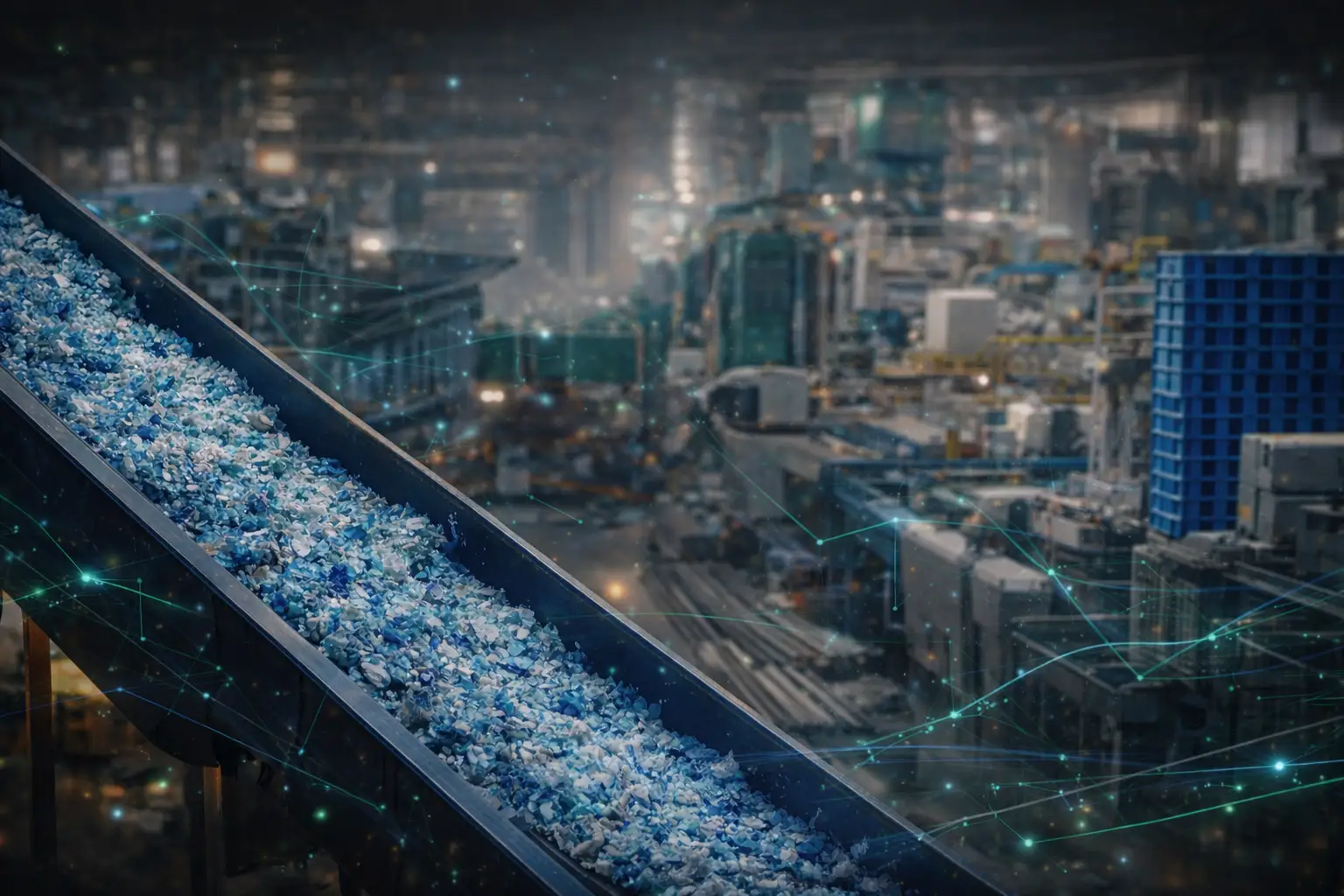

Electronic waste is growing quickly as businesses, institutions, and households replace outdated devices. Among the valuable materials found in this waste stream are electronic scrap plates, which can contain recoverable metals and components. Responsible Electronics Scraps Plates Recycling helps divert useful materials from landfills while supporting a more efficient circular economy. A structured recycling route can improve resource recovery and reduce unnecessary disposal.
Why Electronic Scrap Plates Matter
Electronic plates, circuit boards, and related components can contain copper, aluminum, and other recoverable metals. Some boards may also contain small quantities of precious metals. Their value depends on composition, condition, quantity, and market demand.
Why send potentially useful materials to landfill when they can re-enter a productive supply chain? Proper separation helps identify grades and direct materials toward suitable processing methods. This approach improves material recovery and limits pressure on virgin resources.
Environmental Benefits
Discarded electronics can become an environmental concern when handled carelessly. Damaged components may contain substances that require controlled treatment. Professional recycling therefore focuses on safe collection, sorting, processing, and responsible recovery.
For example, an office replacing outdated computers can separate circuit boards instead of mixing them with ordinary waste. Recovered materials may support future manufacturing.
How the Recycling Process Works
Effective Electronics Scraps Plates Recycling begins with collection and sorting. Scrap is inspected to determine its type and potential material value. Boards may then be separated from plastics, cables, casings, batteries, and other components.
Sorting and Material Recovery
After sorting, suitable materials move through controlled processing stages. Mechanical separation can isolate useful fractions, while specialized recovery methods can extract valuable metals from appropriate electronic scrap. The process depends on material grade and facility capabilities.
Quantity also matters. A small batch may have different value from a large, consistently sorted load. Businesses that maintain organized scrap streams can make handling more efficient and improve the quality of recyclable material.

Business Advantages of Electronic Recycling
Recycling electronic scrap is not only an environmental responsibility. It can also support better resource management. Companies that regularly generate obsolete equipment can reduce storage requirements by establishing a dependable recycling process.
For example, a technology service company may accumulate damaged boards after equipment upgrades. Separating these materials by type can simplify collection and create a more organized approach to asset disposal.
Could better scrap management turn unwanted inventory into a useful resource? The answer often depends on material quality, volume, and the efficiency of the recycling channel.
Supporting a Circular Electronics Economy
The electronics industry relies on a wide range of mined and manufactured materials. Recovering metals from existing products can reduce pressure on virgin resources. It can complement primary production by keeping valuable materials in circulation longer.
One interesting fact is that printed circuit boards can contain higher concentrations of certain metals than some natural ores. This makes responsible recovery an important part of modern electronic waste management.
Smarter Scrap Handling
Businesses can improve outcomes by keeping electronic scrap dry and separated. Clear categorization also helps recyclers evaluate loads.
What happens when recycling becomes part of routine procurement and equipment replacement? It creates a more complete lifecycle approach where disposal is considered before products even leave the workplace.
Frequently Asked Questions
What is Electronics Scraps Plates Recycling?
It is the controlled collection, sorting, processing, and recovery of materials from discarded electronic plates and related components.
What materials can be recovered?
Depending on scrap grade, recyclers may recover copper, aluminum, precious metals, plastics, and other useful materials.
Why should businesses recycle electronic plates?
Recycling can reduce waste, improve storage management, and support responsible disposal.
How should electronic plates be prepared?
Electronic plates should generally be kept dry and separated from incompatible waste. Batteries and hazardous components should use suitable disposal channels.
Does scrap quantity affect its value?
Yes. Material grade, composition, cleanliness, quantity, and market conditions can influence commercial value.
Is recycling better than landfill disposal?
Responsible recycling can recover useful resources and reduce electronic waste requiring disposal, making it preferable when suitable facilities are available.
Conclusion
The future of electronics depends not only on producing smarter devices but also on managing yesterday’s technology more intelligently. Electronics Scraps Plates Recycling can become an important link between discarded equipment and renewed material supply. As businesses place greater emphasis on resource efficiency, organized scrap recovery can support environmental progress without treating sustainability as a separate activity. For organizations seeking a structured route for electronic scrap management, WasteMarkt offers a relevant starting point for exploring recycling solutions.


