
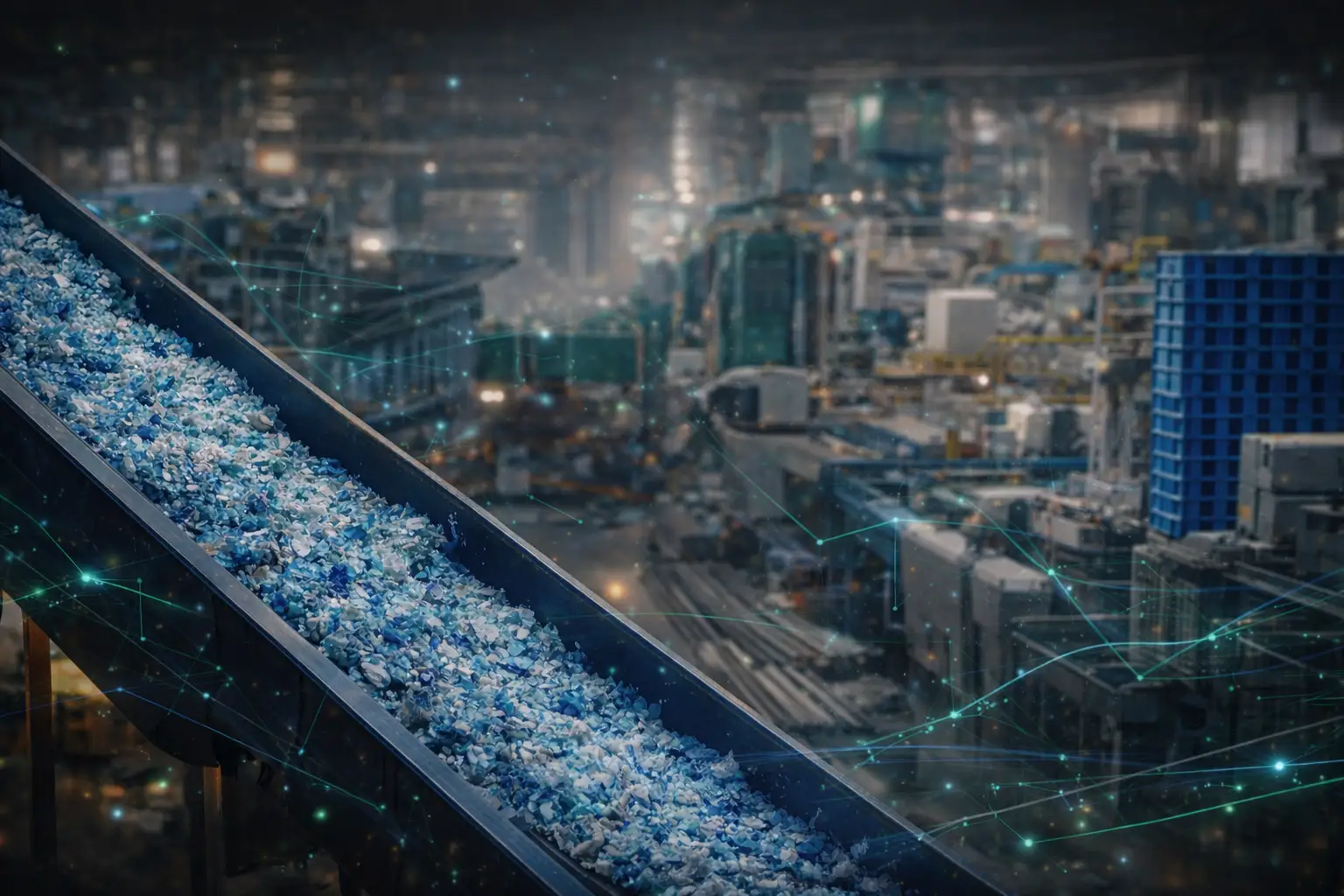

LDPE film is widely used in packaging, retail applications, agricultural products, and industrial wrapping. Once recovered, this flexible plastic can become valuable feedstock for recycling operations. Businesses looking to Buy LDPE Film in Bales often need more than attractive pricing. Material cleanliness, polymer consistency, bale weight, moisture, and supply reliability can directly influence processing results. In the USA, organized sourcing can help recyclers find suitable material while reducing unnecessary procurement delays.
Why LDPE Film Is Valuable
Low-density polyethylene is flexible, lightweight, and resistant to moisture. These characteristics explain its widespread use in bags, stretch film, shrink film, and other packaging applications.
For recyclers, recovered LDPE film can provide a useful source of secondary raw material. However, its value depends strongly on quality. Film containing excessive dirt, paper, food residue, or incompatible plastics may require additional sorting and cleaning.
Clean Feedstock Supports Better Processing
When companies Buy LDPE Film in Bales, consistent material specifications can make production planning easier. Clean bales generally reduce unwanted downtime and help processors estimate their expected output more accurately.
Why focus only on the purchase price when the actual processing cost can be much higher?
Moisture is another consideration. Wet material adds weight without adding useful polymer and may increase transportation and drying requirements.
What Buyers Should Check
A professional purchasing assessment should cover several points before a transaction is finalized.
Polymer and Material Composition
Buyers should confirm that the material is predominantly LDPE and determine whether other polymers are present. Mixed materials can behave differently during processing and may affect final product quality.
Contamination and Moisture
Visible contamination can indicate potential processing problems. Buyers should request realistic photographs and, where appropriate, additional specifications or samples.
Bale Size and Weight
Bale dimensions and average weight influence storage, transportation, unloading, and processing efficiency. Consistent bale preparation can also make inventory planning easier.
Practical Buying Example
Consider a US recycling company that requires several truckloads of LDPE film each month. One supplier offers irregular bale weights and limited information about contamination. Another supplier provides consistent specifications and predictable shipment quantities.
Even if the second offer has a slightly higher price, it may produce better operational value because the processor can plan inventory and production with greater confidence.
Another real-world consideration is storage. Large volumes of lightweight film can occupy significant warehouse space. Properly compressed bales allow businesses to use available storage more efficiently.

Advantages of Buying Baled Film
Baling improves the practicality of handling lightweight plastic film. Compressed material is generally easier to load, transport, stack, and store than loose film.
For US buyers, this can be particularly important when transportation represents a substantial portion of total procurement cost. Efficient bale preparation can help maximize the amount of material moved per shipment.
Supply Reliability Matters
A single successful transaction does not establish a dependable supply chain. Buyers should consider whether a supplier can maintain comparable quality and volume across repeated orders.
What happens when production demand rises but the usual supplier cannot provide enough material?
Maintaining several potential supply channels can reduce this type of risk.
Using Digital Marketplaces for Sourcing
Online trading platforms can make it easier for recyclers to identify available LDPE film. Instead of depending exclusively on local contacts, procurement teams can investigate additional commercial opportunities.
A structured marketplace can also encourage clearer descriptions. When sellers provide information about material type, quantity, origin, and packaging, buyers can conduct a more informed initial comparison.
Frequently Asked Questions
1. Why do businesses Buy LDPE Film in Bales?
Baled LDPE film is easier to transport, store, handle, and process than loose film. Compression can also improve logistics efficiency.
2. What affects the value of LDPE film?
Material purity, contamination, moisture, color, bale quality, volume, and transportation costs can all influence its commercial value.
3. Should buyers request samples?
Samples can be useful when the material specification is important to production. They provide additional information beyond photographs or descriptions.
4. Is all plastic film suitable for LDPE recycling?
No. Different polymers can have different processing requirements. Buyers should verify the composition before purchasing large quantities.
5. Why is bale consistency important?
Consistent bales help businesses estimate storage requirements, transportation capacity, and material input more accurately.
6. Can US recyclers source LDPE film internationally?
International sourcing is possible, but transportation, customs, documentation, quality requirements, and delivery terms should be evaluated carefully.
Conclusion
The future of LDPE recycling will depend increasingly on dependable material flows rather than isolated purchases. Businesses that Buy LDPE Film in Bales with a clear understanding of quality and logistics can build stronger procurement strategies. WasteMarkt can play a useful role in this changing environment by helping market participants discover supply opportunities. As US recycling capacity develops, disciplined sourcing may become as important as processing technology itself.


