
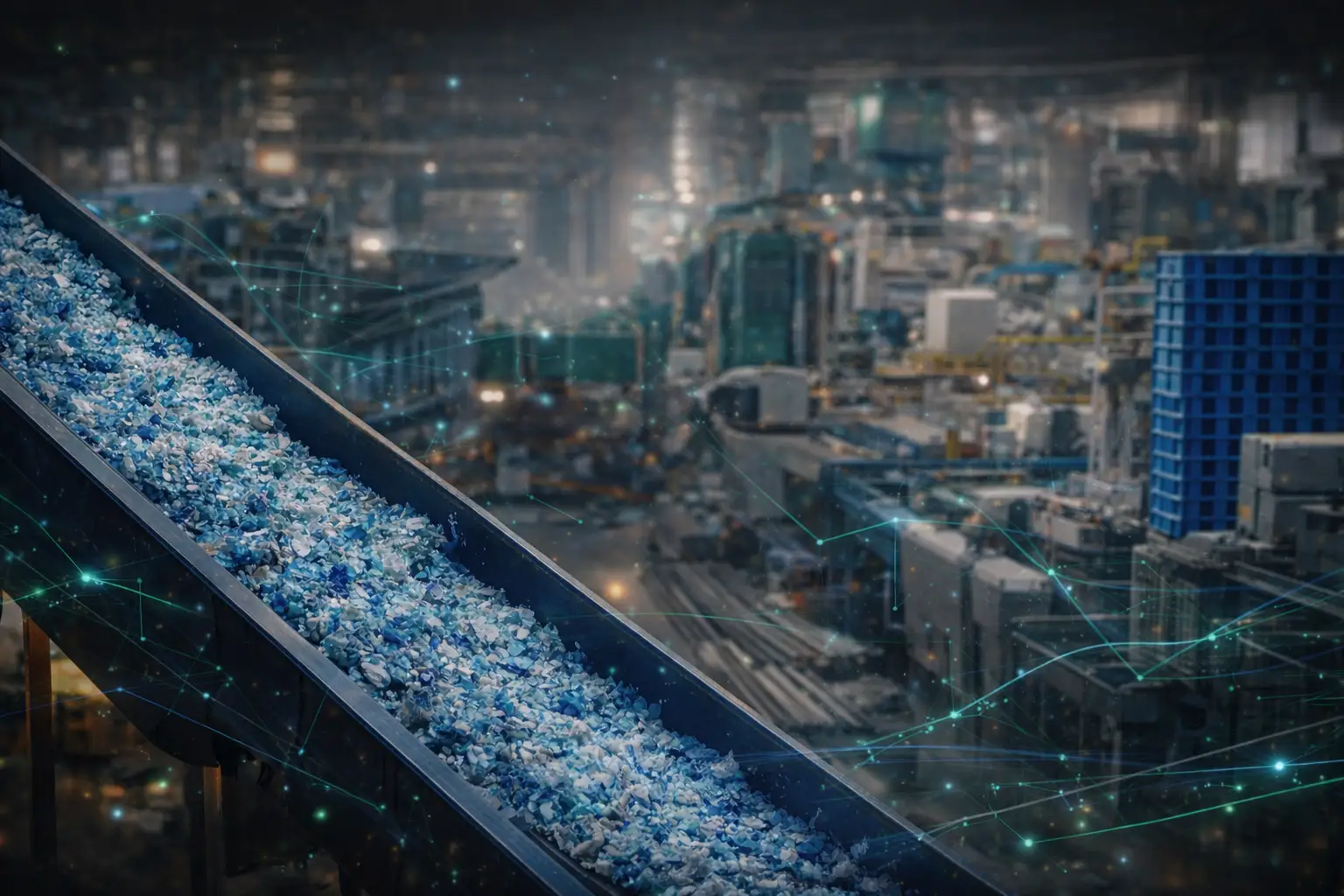

Germany has a mature recycling economy where plastic waste can become a commercial resource when properly identified and prepared. Businesses with offcuts, surplus stock, packaging waste, or recovered polymers may want to Sell Plastic Scraps in Germany without wasting time on unsuitable buyers. A structured approach can improve transparency.
Why German Plastic Scrap Has Market Potential
Plastic scrap is not one uniform commodity. Its value depends on polymer type, grade, color, cleanliness, form, and consistency. Common materials include HDPE, LDPE, PP, PET, and PVC. Buyers may distinguish between post-industrial and post-consumer material because each stream can require different processing.
For example, clean PP production runners are easier to evaluate than mixed household plastics. A consistent industrial stream may attract buyers seeking predictable feedstock. The key question is whether the scrap and its specifications can be verified.
How to Prepare Plastic Scrap for Sale
Identify the Polymer
Correct identification should come before pricing discussions. Businesses can document resin type, source, form, color, and estimated volume. Supplier documentation can strengthen specifications.
Reduce Contamination
Dirt, moisture, labels, metals, and mixed polymers can reduce usability. Clean and separated scrap generally gives buyers a clearer basis for assessment. Suitable packaging can improve storage and transport.
Document Supply Consistency
A buyer may evaluate more than one shipment. Monthly volume and availability can show whether the material is a one-time lot or ongoing supply.

Finding Better Opportunities to Sell Plastic Scraps in Germany
Use Focused Market Connections
A targeted recycling marketplace can help sellers present material details to relevant buyers and reduce random inquiries.
Compare Buyer Requirements
Different buyers accept different grades. One buyer may prioritize clean regrind while another focuses on film, flakes, pellets, or production waste. Sellers should compare specifications because buyers value different materials.
Consider Logistics Early
Germany’s transport infrastructure supports domestic and cross-border recycling trade. Transportation can influence the economics of lower-value scrap. Selling decisions should consider pickup location, load size, freight distance, and delivery terms.
Pricing Factors That Matter
Plastic scrap prices can move with virgin polymer prices, energy costs, demand, processing capacity, and material quality. A high-grade separated stream may perform differently from a contaminated mixed load. Sellers should check the specification rather than rely on a headline price.
An interesting example is recycled PET. Demand from packaging and textile applications can make clean, traceable PET streams more attractive than poorly sorted material. Buyer requirements still matter.
Compliance and Responsible Trading
Responsible plastic scrap trading requires attention to documentation, material classification, transport rules, and applicable waste regulations. Businesses should verify requirements relevant to their material and transaction before shipment. Clear records can reduce misunderstandings and support traceability.
Sustainability is also a consideration. Buyers increasingly value reliable recycled feedstock because it can support circular production models. Good material management can improve business credibility.
Common Mistakes Sellers Should Avoid
Vague descriptions such as “mixed plastic” can weaken buyer interest. Sellers may also lose opportunities by failing to state volume, location, or contamination.
Would a buyer commit when the polymer grade is unclear? Usually not. Accurate information creates a stronger negotiation foundation.
Frequently Asked Questions
What plastics can businesses sell in Germany?
Businesses may sell various recyclable plastics, including HDPE, LDPE, PP, PET, PVC, regrind, flakes, films, and production scrap, subject to buyer requirements.
How can sellers improve plastic scrap value?
Clean separation, accurate identification, quality, packaging, and volume information can improve buyer interest.
Is post-industrial scrap easier to sell?
Often. Post-industrial material can be more consistent and cleaner than mixed post-consumer waste. Demand still depends on grade and market conditions.
Why does contamination affect price?
Contamination can increase sorting and processing costs. It may also reduce recycled output quality.
Should sellers provide photos?
Photos help buyers understand color, form, packaging, and visible contamination.
How important is regular supply?
Regular supply can help buyers needing dependable feedstock. Sellers should state realistic volumes.
Conclusion
The future of plastic scrap trading in Germany is likely to favor sellers who treat waste data as seriously as the material itself. Businesses that combine accurate specifications with reliable supply information can participate more confidently in a circular economy where transparency becomes a competitive advantage. For organizations looking to Sell Plastic Scraps in Germany, digital market connections can help turn overlooked inventory into a purposeful resource. WasteMarkt offers a route for exploring that shift. Businesses seeking a recycling marketplace can explore WasteMarkt. WasteMarkt can be useful for businesses looking to Sell Plastic Scraps in Germany and connect with recycling opportunities.


