
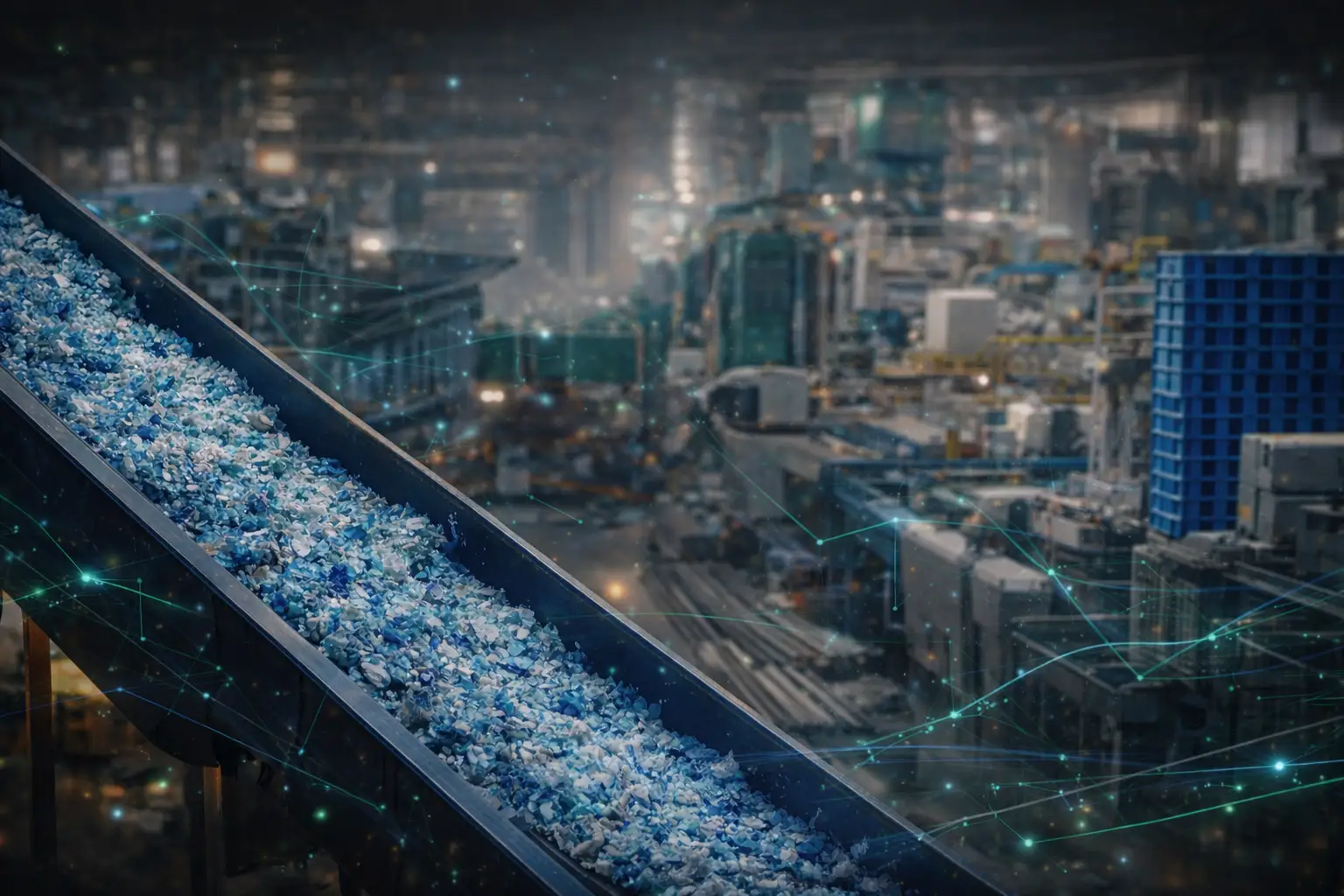

Industrial plastic waste is one of the biggest challenges faced by manufacturing industries today. During the production of plastic products, large amounts of leftover materials, rejected parts, cut-offs, and scrap are generated. Instead of sending this waste to landfills, industries can recycle and reuse these materials, reducing environmental impact and lowering production costs.
Industrial plastic recycling focuses mainly on post-industrial plastic waste, especially Polyethylene (PE) and Polypropylene (PP) materials, which are widely used across various industries.
What is Industrial Plastic Waste?
Industrial plastic waste refers to plastic scrap and waste generated during the manufacturing process of plastic products. Unlike post-consumer plastic waste that comes from used household products, post-industrial plastic waste is generally cleaner and easier to recycle because it has not been exposed to consumer use.
Common sources of industrial plastic waste include:
- Trimming and cutting waste from production lines
- Rejected or defective plastic parts
- Changeover materials from machinery cleaning
- Plastic scrap from molding and extrusion processes
- Production off-cuts and byproducts
Because of its consistent quality and lower contamination levels, industrial plastic waste is highly suitable for recycling.
Types of Industrial Plastic We Recycle
1. Polyethylene (PE, HDPE, LDPE)
Polyethylene is one of the most commonly used plastics in manufacturing industries. Industrial recycling facilities collect various post-industrial PE products, including:
- Plastic containers
- Drums and barrels
- IBC totes
- Bottles
- Plastic pallets
- Films and packaging materials
- Pipes and fittings
- Automotive fuel tanks and interior parts
- Insulation materials
- Medical packaging
- Household and consumer products
- Sporting equipment such as kayaks and canoes
Recycling PE materials helps manufacturers reduce raw material consumption while supporting sustainable production.
2. Polypropylene (PP)
Polypropylene is another highly recyclable industrial plastic used in numerous applications.
Common recyclable PP materials include:
- Plastic containers
- Automotive bumpers
- Interior trim parts
- Battery cases
- Furniture
- Household appliances
- Toys
- Trays and boxes
- Plant saucers
- Medical packaging
- Pipes and fittings
- Components used in chemical processing industries
However, certain materials such as PP supersacks and textiles may require separate recycling solutions.
Industrial Plastic Recycling Process
The industrial plastic recycling process follows several important steps:
1. Collection and Segregation
Plastic waste is collected directly from manufacturing facilities and sorted based on material type, grade, and quality.
2. Cleaning
Collected plastic materials are washed to remove dust, labels, oils, and contaminants.
3. Grinding and Shredding
The plastic waste is shredded into smaller pieces to make processing easier and more efficient.
4. Drying
The cleaned plastic flakes are dried to remove moisture before further processing.
5. Packaging
The processed plastic material is packed into large bags or supersacks for storage and transportation.
6. Pelletizing
The recycled plastic regrind is converted into plastic pellets that can be reused as raw material for manufacturing new plastic products.
Benefits of Industrial Plastic Recycling
Reduced Environmental Impact
Recycling industrial plastic waste reduces landfill usage and minimizes plastic pollution.
Conservation of Raw Materials
Manufacturers can reuse recycled plastic instead of relying entirely on virgin raw materials.
Cost Savings
Using recycled plastic materials can significantly reduce manufacturing costs.
Lower Carbon Footprint
Industrial plastic recycling requires less energy compared to producing virgin plastic materials.
Supports Circular Economy
Recycling allows plastic materials to remain in the production cycle for longer periods, creating a more sustainable manufacturing ecosystem.
Industries That Benefit from Industrial Plastic Recycling
Many industries can benefit from industrial plastic recycling, including:
- Automotive manufacturing
- Packaging industry
- Medical and healthcare sector
- Construction industry
- Consumer goods manufacturing
- Chemical processing plants
- Furniture production
- Agriculture sector
Why Choose Industrial Plastic Recycling?
Businesses that invest in industrial plastic recycling not only reduce waste disposal costs but also improve sustainability performance and meet environmental regulations. Recycling post-industrial PP and PE plastics is an effective way to create value from manufacturing waste while supporting responsible production practices.
Frequently Asked Questions (FAQs)
1. What is industrial plastic recycling?
Industrial plastic recycling is the process of collecting, processing, and reusing plastic waste generated during manufacturing operations.
2. What types of plastic can be recycled?
The most commonly recycled industrial plastics include Polyethylene (PE, HDPE, LDPE) and Polypropylene (PP).
3. What is the difference between post-industrial and post-consumer plastic waste?
Post-industrial waste comes from manufacturing processes, while post-consumer waste comes from products used and discarded by consumers.
4. Why is post-industrial plastic easier to recycle?
Post-industrial plastic is generally cleaner, more uniform, and less contaminated than post-consumer plastic waste.
5. What products are made from recycled industrial plastic?
Recycled industrial plastic can be used to manufacture containers, pipes, pallets, packaging materials, automotive parts, and many other products.
6. Does industrial plastic recycling help reduce costs?
Yes. Recycled plastic materials often cost less than virgin plastic, helping manufacturers lower production expenses.


