
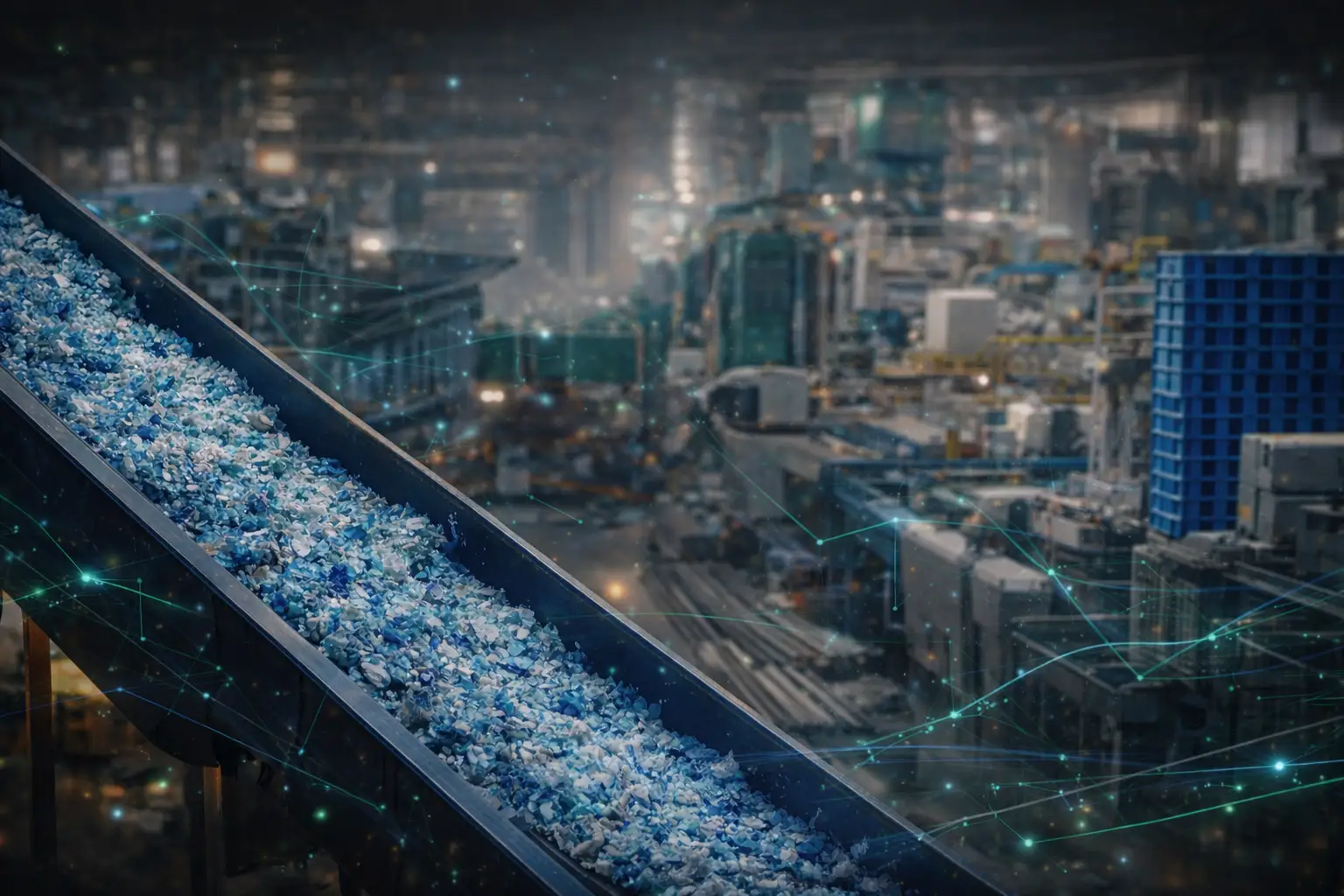

The manufacturing industry is experiencing a noticeable shift toward smarter waste management and material recovery. As businesses look for practical ways to reduce waste and improve resource efficiency, recycling materials such as PP (Polypropylene) and HDPE (High-Density Polyethylene) has become a growing focus across factories and production facilities.
This trend is being driven by a combination of environmental awareness, rising raw material costs, and increasing demand for sustainable manufacturing practices. Companies are now recognizing that valuable plastic materials should not be treated as waste when they can be recovered, recycled, and reused within the production cycle.
Platforms like WasteMarkt are helping businesses connect with recycling opportunities and improve the way industrial waste is managed, making it easier for manufacturers to participate in the circular economy.
Why PP and HDPE Recycling Is Gaining Attention
PP and HDPE are among the most commonly used plastics in manufacturing and packaging industries. These materials are valued for their durability, versatility, and cost-effectiveness.
PP (Polypropylene) is widely used in food containers, packaging products, automotive parts, household goods, and industrial applications. It offers excellent resistance to chemicals and moisture while remaining lightweight and durable.
HDPE (High-Density Polyethylene) is commonly found in plastic bottles, industrial drums, storage containers, pipes, and packaging materials. Because of its strength and long lifespan, HDPE remains one of the most recyclable plastics used today.
As factories generate significant volumes of production scrap and plastic waste, recycling PP and HDPE presents an opportunity to recover valuable materials while reducing environmental impact.
How Factories Are Improving Plastic Recycling Processes
Modern recycling systems have transformed how industrial plastic waste is handled. Rather than sending excess materials to landfills, many factories are implementing recycling solutions that allow PP and HDPE waste to be reprocessed and reused.
The process typically involves collecting plastic scrap, sorting materials by type, cleaning contaminants, shredding the plastic, and converting it into reusable raw material. These recycled materials can then be used in manufacturing new products, reducing dependence on virgin plastics.
Advancements in sorting and processing technologies have also improved the quality of recycled plastics, making them suitable for a wider range of applications than ever before.
Economic Benefits of Recycling PP and HDPE
One of the primary reasons factories are increasing their recycling efforts is cost control. Raw material prices continue to fluctuate, creating challenges for manufacturers that rely heavily on plastic materials.
By recovering and reusing PP and HDPE waste, businesses can reduce material procurement costs and improve overall operational efficiency. Recycling also helps lower waste disposal expenses, creating additional savings over time.
For manufacturers processing large quantities of plastic products, even modest improvements in recycling rates can have a meaningful impact on profitability.
Sustainability Is Driving Industry Decisions
Environmental responsibility is becoming an important factor in business decision-making. Customers, investors, and regulatory bodies increasingly expect companies to demonstrate sustainable practices throughout their operations.
Factories that actively recycle PP and HDPE materials can reduce landfill waste, conserve resources, and lower their environmental footprint. These efforts support corporate sustainability goals while helping businesses remain competitive in a market that increasingly values responsible manufacturing.
WasteMarkt continues to support this transition by encouraging better waste management practices and promoting recycling opportunities across industrial sectors.

Technology Is Shaping the Future of Recycling
Innovations in recycling technology are making plastic recovery more efficient and reliable. Automated sorting systems, advanced cleaning processes, and improved material recovery equipment are helping factories maximize recycling performance.
Many facilities are also using digital tracking systems to monitor waste generation and identify opportunities for improvement. These technologies provide valuable insights that help manufacturers increase recycling rates and reduce unnecessary material loss.
As demand for recycled materials continues to grow, technology will play an even greater role in improving the quality and availability of recycled PP and HDPE products.
Frequently Asked Questions
What is PP plastic?
PP (Polypropylene) is a durable thermoplastic commonly used in packaging, automotive components, consumer products, and industrial applications. It is highly recyclable and widely used in manufacturing.
What is HDPE plastic?
HDPE (High-Density Polyethylene) is a strong and versatile plastic used in bottles, containers, pipes, and industrial packaging. It is one of the most commonly recycled plastic materials worldwide.
Why are factories focusing on PP and HDPE recycling?
Factories are focusing on PP and HDPE recycling to reduce waste, lower production costs, conserve resources, and support sustainable manufacturing practices.
Can recycled PP and HDPE be reused in production?
Yes. Recycled PP and HDPE can be processed into reusable raw materials and incorporated into various manufacturing applications, depending on quality requirements.
How does recycling benefit manufacturers?
Recycling helps manufacturers reduce waste disposal costs, improve resource efficiency, lower material expenses, and meet sustainability objectives.
Conclusion
The growing emphasis on sustainable manufacturing is changing the way factories approach plastic waste management. Instead of viewing production scrap as a disposal challenge, manufacturers are increasingly recognizing the value of recycling materials such as PP and HDPE.
With better recycling technologies, stronger sustainability commitments, and increased awareness across industries, the demand for recycled plastics is expected to continue growing. By investing in responsible recycling practices and leveraging platforms like WasteMarkt, businesses can reduce waste, recover valuable resources, and contribute to a more efficient and sustainable manufacturing future.


