
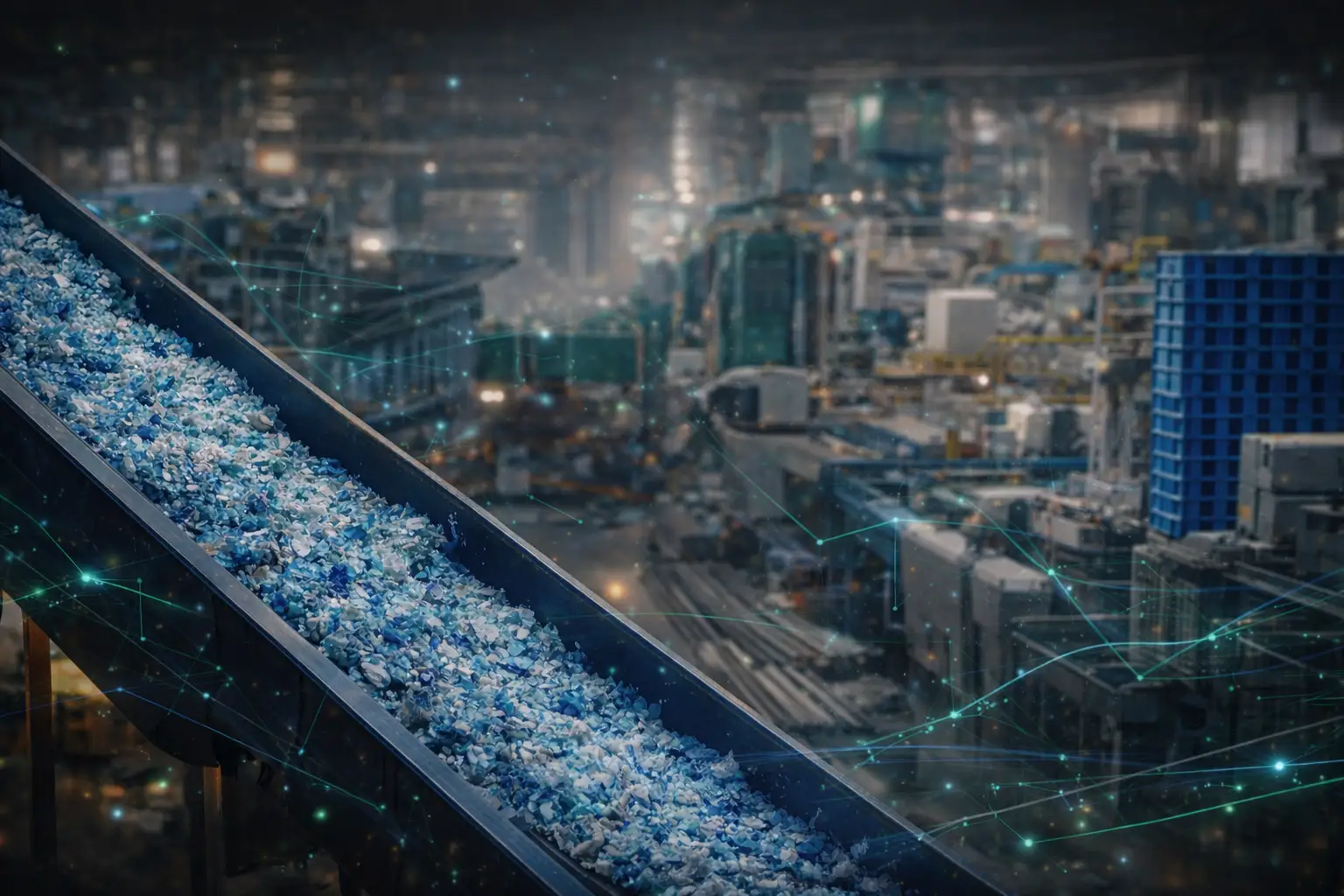

California has long been recognized as a leader in environmental responsibility. As concerns about landfill overflow and plastic pollution continue to grow, Plastic Recycling in California has become a critical part of sustainable waste management. Businesses, manufacturers, plastic processors, and communities are increasingly looking for efficient ways to recycle plastic scrap, recover valuable materials, and support circular economy initiatives.
From PP (Polypropylene) and HDPE (High-Density Polyethylene) to ABS, HIPS, PC, and PMMA, industrial plastic waste generated during manufacturing and plastic injection moulding processes can often be recycled and reused instead of being sent to landfills.
Why Plastic Recycling Matters More Than Ever
The Growing Challenge of Plastic Waste
Millions of tons of plastic waste are generated annually across California from commercial, industrial, and residential sources. Effective Plastic Recycling in California helps reduce environmental impact while conserving valuable resources.
Manufacturing facilities often generate recyclable materials such as:
- PP scrap
- HDPE scrap
- ABS scrap
- HIPS scrap
- PC scrap
- PMMA scrap
- Plastic purges
- Plastic lumps
- Post-production plastic waste
- Post-industrial plastic scrap
- Plastic regrind
These materials can be processed and returned to the manufacturing supply chain instead of becoming landfill waste.
Supporting a Circular Economy
Plastic recycling helps transform used materials into valuable raw materials for new products. Recycled plastics are commonly used in packaging, automotive parts, construction materials, consumer goods, and industrial applications.
As demand for sustainable materials continues to grow, recycled plastics are becoming increasingly valuable commodities.
Key Benefits of Plastic Recycling in California
Reducing Landfill Dependency
California faces ongoing challenges related to landfill capacity. Recycling plastic scrap diverts significant volumes of waste away from disposal sites and extends landfill lifespan.
Lowering Environmental Impact
Plastic materials can remain in the environment for hundreds of years. Recycling helps reduce pollution while protecting California’s beaches, waterways, parks, and coastal ecosystems.
Creating Economic Opportunities
The recycling industry supports jobs in collection, sorting, processing, transportation, and manufacturing. Businesses that recycle PP, HDPE, ABS, HIPS, PC, and PMMA scrap often recover value from materials that would otherwise be discarded.
Recycling Industrial Plastic Waste
Polypropylene (PP) Recycling
Polypropylene recycling remains one of the fastest-growing segments of the recycling industry. Common recyclable PP materials include:
- PP post-production scrap
- PP regrind
- PP purges
- PP lumps
- Injection moulding PP scrap
- Sweep floor PP
- Post-industrial PP waste
Recovered polypropylene can be reused in packaging, automotive components, containers, and industrial products.
HDPE Recycling
HDPE is one of the most widely recycled plastics due to its durability and versatility. Common recyclable HDPE materials include:
- HDPE post-production scrap
- HDPE regrind
- HDPE purges
- HDPE lumps
- Injection moulding HDPE scrap
- Sweep floor HDPE
- Post-industrial HDPE waste
These materials can be processed into new products while reducing the demand for virgin plastic resin.
Technology Driving Modern Plastic Recycling
Advanced Sorting and Processing
Modern recycling facilities use automated sorting systems and advanced technology to identify and separate plastic materials efficiently.
These systems improve recovery rates for PP, HDPE, ABS, HIPS, PC, PMMA, and other recyclable plastics while reducing contamination.
Business Collaboration Through Digital Platforms
Many manufacturers and recycling companies now use digital marketplaces and recycling platforms to connect buyers and sellers of plastic scrap.
Rather than disposing of valuable materials, businesses can recover value from recyclable plastics and support sustainability goals.
Challenges and Future Opportunities
Contamination Management
One of the biggest recycling challenges is contamination caused by mixed materials, food residue, or improper sorting. Better education, collection systems, and processing technology continue improving recycling performance.
Growing Demand for Recycled Plastics
Manufacturers increasingly seek recycled PP, HDPE, ABS, HIPS, PC, and PMMA materials to meet sustainability targets and reduce reliance on virgin plastics.
This growing demand creates new opportunities for businesses participating in Plastic Recycling in California.
Frequently Asked Questions
1. What is Plastic Recycling in California?
Plastic recycling involves collecting, sorting, processing, and reusing plastic materials instead of sending them to landfills.
2. Which plastics can be recycled?
Common recyclable plastics include PP, HDPE, PET, ABS, HIPS, PC, PMMA, and various post-industrial plastic materials.
3. What are plastic purges, lumps, and regrind?
These are manufacturing by-products generated during production processes that can often be recycled and reused.
4. Can businesses generate revenue from plastic scrap?
Yes. Many businesses sell recyclable plastic materials such as PP, HDPE, ABS, and other industrial plastics to recyclers and processors.
5. How does recycling support sustainability?
Recycling reduces landfill waste, conserves resources, lowers carbon emissions, and supports circular economy initiatives.
Conclusion
The future of waste management lies in resource recovery and material reuse. Through effective Plastic Recycling in California, businesses can transform plastic scrap, regrind, purges, lumps, and post-industrial waste into valuable resources while reducing environmental impact and supporting sustainability goals.
WasteMarkt helps connect buyers and sellers of recyclable plastics, creating opportunities for efficient material recovery and responsible waste management across California.


