
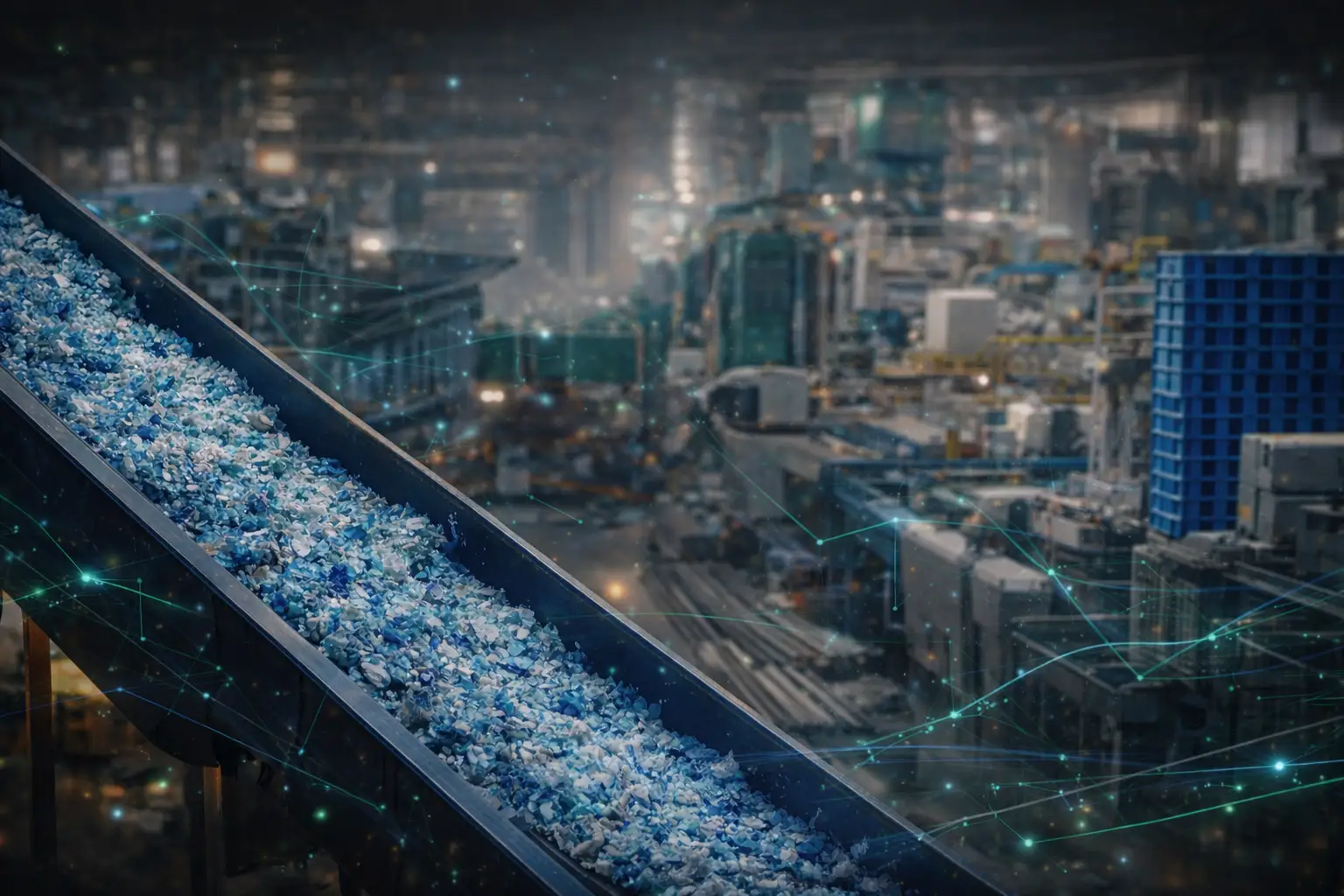

Waste management in Florida is becoming more complex as communities grow, businesses expand, and environmental expectations increase. Traditional disposal methods can struggle to balance cost, efficiency, compliance, and sustainability. Smart Waste Management in Florida offers a more strategic approach by combining better collection practices, material recovery, recycling, data-driven planning, and responsible resource use.
For businesses and organizations, smart waste management is not simply about removing unwanted materials. It is about understanding what enters a waste stream and identifying opportunities to reduce disposal while recovering useful resources.
Understanding Smart Waste Management
What Makes Waste Management Smart?
Smart Waste Management in Florida uses organized systems to improve how materials are collected, sorted, processed, reused, and recycled. Businesses can assess waste volumes and material types before selecting appropriate handling methods.
Why send recyclable materials directly to disposal when valuable resources may still exist within them? A more informed system separates recoverable materials and directs them toward suitable recycling channels. Technology can also support better planning. Digital records, collection schedules, material tracking, and performance measurements can help businesses identify inefficient practices and make more informed decisions.
Florida Businesses and Changing Waste Needs
Florida has a diverse commercial landscape that includes retail operations, manufacturing facilities, hospitality businesses, warehouses, offices, and construction-related activities. Each sector creates different waste streams.
For example, a warehouse may generate large quantities of packaging film and cardboard. A hospitality business may produce food-related waste alongside packaging. A manufacturing operation may handle plastic, metal, paper, and other recoverable materials.
Recognizing these differences is essential because a single waste strategy rarely works equally well for every organization.
Building a More Sustainable Waste Strategy
Waste Audits and Material Identification
A practical waste strategy often begins with a waste audit. This process identifies what materials are discarded, how frequently they appear, and where avoidable waste is generated.
A business that discovers significant quantities of recyclable plastic can redesign its collection process around material recovery. Likewise, an office generating excessive paper waste may benefit from digital documentation and dedicated recycling stations. The goal is simple: understand the waste before deciding how to manage it.
Recycling and Resource Recovery
Recycling becomes more effective when materials are kept clean and properly separated. Mixed or contaminated materials can reduce recovery potential and increase handling challenges.
A useful real-world example is post-consumer or commercial plastic packaging. When suitable plastic materials are separated from general waste, they may enter recycling streams instead of occupying landfill space. This approach supports a circular economy because recovered materials can become inputs for new products rather than being treated solely as waste.
The Role of Data in Waste Management
Data can transform waste management from a reactive activity into a measurable business process. Collection frequency, material volumes, recycling rates, and disposal costs can reveal patterns that are otherwise easy to overlook.
Could a company reduce unnecessary pickups by understanding its actual waste volume? In many cases, better measurement can support more efficient scheduling and resource allocation.
Data also makes sustainability efforts easier to evaluate. Instead of making broad environmental claims, businesses can monitor tangible improvements such as increased material recovery or reduced disposal volumes.
Practical Benefits for Florida Organizations
Cost and Operational Efficiency
Efficient waste handling can reduce unnecessary transportation, storage, and disposal expenses. Better sorting can also help organizations capture materials with recycling value.
Environmental Responsibility
Reducing avoidable disposal can conserve resources and support responsible material management. It can also strengthen a company’s broader sustainability objectives.
Stronger Business Planning
A structured waste system gives management clearer information for future decisions. Waste data can influence purchasing policies, facility design, collection schedules, and recycling programs. One interesting fact is that small improvements repeated across multiple facilities can create substantial operational benefits. A modest reduction in waste per location can become significant when multiplied across a large business network.
Frequently Asked Questions
1. What is smart waste management?
It is a structured approach that uses better planning, material separation, recovery practices, and data to improve waste handling.
2. Why is smart waste management important in Florida?
Growing communities and diverse commercial activities create varied waste streams, making efficient resource management increasingly important.
3. Can small businesses use smart waste strategies?
Yes. Small businesses can begin with basic waste audits, separate recyclable materials, and track disposal patterns.
4. What materials can businesses recover?
Depending on the operation, recoverable materials may include plastics, cardboard, paper, metals, and other recyclable commodities.
5. Does smart waste management reduce costs?
It can. Better material separation and collection planning may reduce unnecessary disposal and improve operational efficiency.
6. How does data improve waste management?
Data helps businesses understand waste volumes, collection requirements, recycling performance, and areas where improvements are possible.
7. Is recycling the only part of smart waste management?
No. Smart waste management also includes waste reduction, reuse, material recovery, efficient collection, and informed purchasing.
Conclusion
The future of Smart Waste Management in Florida will depend increasingly on how intelligently organizations view discarded materials. Waste can represent an operational challenge, but it can also reveal opportunities for resource recovery, efficiency, and innovation. As businesses pursue stronger environmental performance, WasteMarkt can serve as a useful resource for exploring smarter material management and sustainable waste solutions. For organizations seeking practical information and market-focused waste solutions, WasteMarkt is a relevant resource to explore.


