
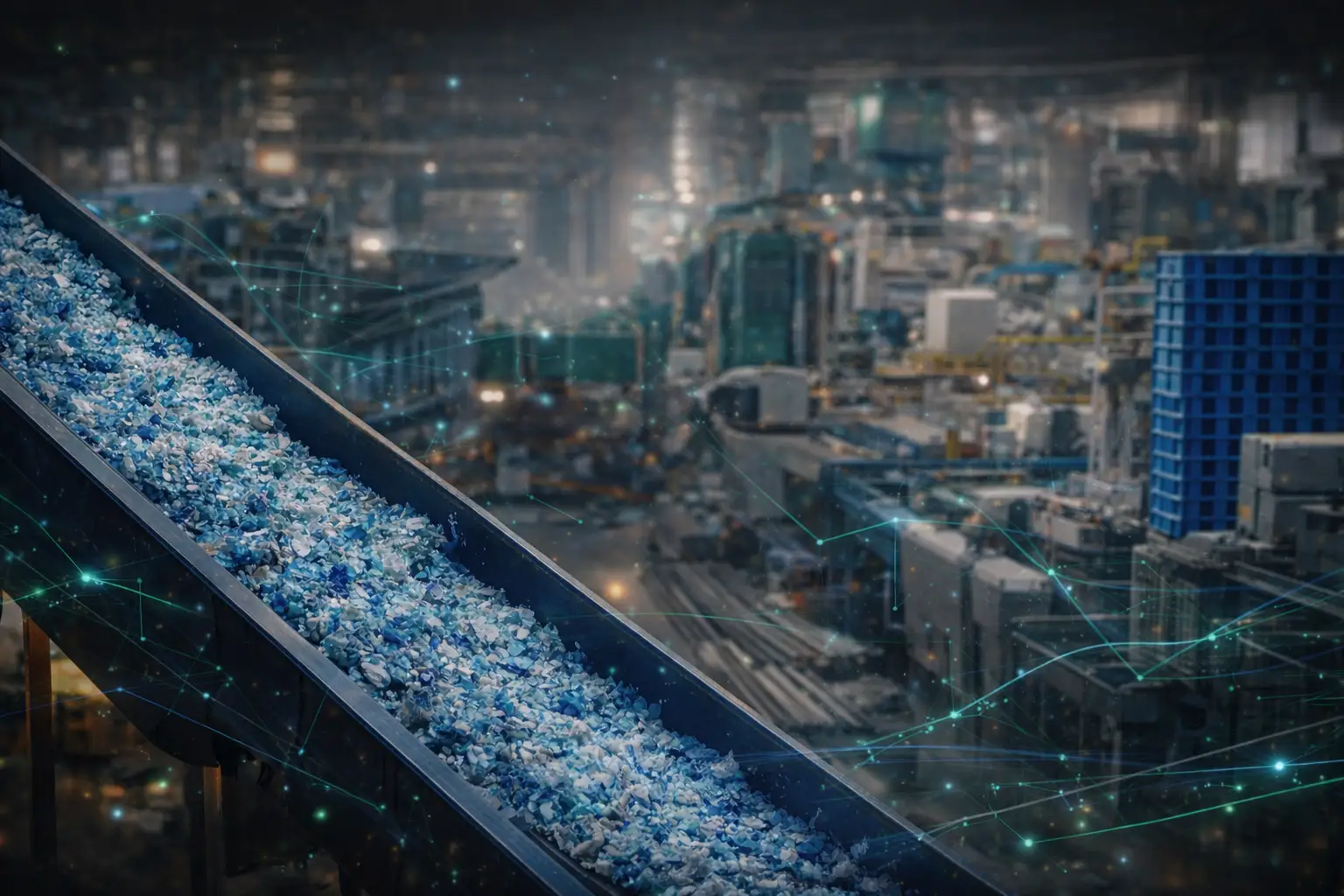

Industries generate large volumes of waste during manufacturing, processing, packaging, and distribution. Materials such as polypropylene (PP), high-density polyethylene (HDPE), HIPS, ABS, PC, and PMMA are commonly discarded as production scrap despite retaining significant recycling value. An Industrial Waste Management Platform helps businesses manage, recycle, and trade these materials efficiently while supporting sustainability and circular economy goals.
At WasteMarkt, businesses can connect with recyclers, buyers, and waste management partners to maximize the value of industrial waste streams across the United States.
Understanding Industrial Waste Management
What Is an Industrial Waste Management Platform?
An Industrial Waste Management Platform is a centralized digital solution that enables businesses to track, manage, recycle, and monetize industrial waste materials. The platform connects waste generators with recycling companies, plastic processors, traders, and manufacturers seeking reusable raw materials.
Industries producing polypropylene post production scrap, post-industrial HDPE waste, PP and HDPE regrind, purges, lumps, and factory-generated plastic scrap can efficiently manage these materials through a single platform instead of relying on fragmented disposal processes.
Why Efficient Waste Management Matters
Industrial facilities often generate valuable recyclable materials, including:
- Recycling polypropylene (PP)
- Polypropylene post production scrap
- Post-industrial PP scraps
- HDPE scraps
- PP and HDPE purges
- Plastic lumps
- Sweep floor PP and HDPE materials
- Post-production granules
- Factory-use PP regrind
- Factory-use HDPE regrind
- Plastic injection moulding scrap
Without proper management, these materials may be sent to landfills despite having strong demand in recycling markets. An efficient recycling system helps businesses recover value while reducing environmental impact.
Plastic Injection Moulding Waste Recycling
Many manufacturing facilities generate waste from plastic injection moulding processes. Common recyclable materials include:
- Polypropylene (PP)
- High-Density Polyethylene (HDPE)
- High Impact Polystyrene (HIPS)
- Polycarbonate (PC)
- Acrylonitrile Butadiene Styrene (ABS)
- Polymethyl Methacrylate (PMMA)
These materials are often available as runners, sprues, rejects, off-spec products, purges, lumps, and regrind. Through an Industrial Waste Management Platform, manufacturers can connect with buyers and recyclers interested in processing these valuable plastic resources.
Key Benefits of Using an Industrial Waste Management Platform
Improved Waste Tracking
The platform provides complete visibility into waste generation, storage, collection, and recycling activities. Businesses can monitor volumes of PP scrap, HDPE scrap, post-production granules, and other recyclable materials while identifying opportunities to improve operational efficiency.
Enhanced Recycling Efficiency
A centralized system helps companies direct materials to appropriate recycling channels. Whether managing polypropylene recycling, HDPE recycling, plastic purges, or plastic lumps, businesses can quickly locate qualified recycling partners and buyers.
For example, a factory producing large quantities of polypropylene post-production scrap can redirect these materials for recycling rather than treating them as waste.
Reduced Operational Costs
Landfill disposal, transportation, and storage costs can significantly impact profitability. By recycling PP regrind, HDPE regrind, sweep floor PP, and sweep floor HDPE, companies often reduce disposal expenses while generating additional revenue from recoverable materials.
Recycling Polypropylene and HDPE Materials
Polypropylene (PP) Recycling
Recycling polypropylene is becoming increasingly important as manufacturers seek sustainable alternatives to virgin plastic. Common recyclable PP materials include:
- Polypropylene post production scrap
- PP regrind
- PP purges
- PP lumps
- Injection moulding PP scrap
- Sweep floor PP
- Post-industrial PP waste
- PP granules
Recovered polypropylene can be processed and reused in packaging, automotive components, household products, and industrial applications.
HDPE Recycling
HDPE remains one of the most widely recycled industrial plastics. Manufacturers commonly generate:
- HDPE post production scrap
- HDPE regrind
- HDPE purges
- HDPE lumps
- Injection moulding HDPE scrap
- Sweep floor HDPE
- Post-industrial HDPE waste
- HDPE granules
These materials can be recycled into new products while reducing dependence on virgin resin production.
Technology Driving Modern Recycling Solutions
Automation and Digital Connectivity
Modern Industrial Waste Management Platforms use advanced technology to simplify recycling operations. Businesses can:
- Track waste generation in real time
- Schedule collections
- Monitor recycling performance
- Connect directly with recyclers and buyers
- Analyze waste management data
Automation reduces administrative burdens while improving operational accuracy and reporting capabilities.
Supporting Circular Economy Goals
A key objective of industrial recycling is keeping valuable materials in circulation. Through effective recovery and reuse of PP, HDPE, ABS, HIPS, PC, and PMMA, businesses contribute to a circular economy where materials remain productive for longer periods.
Challenges and Future Opportunities
Managing Diverse Plastic Waste Streams
Industrial facilities often produce multiple grades and forms of plastic waste, including regrind, lumps, purges, sweepings, and post-production granules. A centralized platform simplifies management by coordinating recycling and recovery activities across different material categories.
Meeting Sustainability Expectations
Customers, investors, and regulators increasingly expect companies to demonstrate environmental responsibility. Recycling post-industrial PP and HDPE scrap helps businesses reduce landfill waste while improving sustainability performance and corporate reputation.
Frequently Asked Questions
1. What is an Industrial Waste Management Platform?
An Industrial Waste Management Platform helps businesses track, manage, recycle, and trade industrial waste materials through a centralized digital system.
2. What types of plastic waste can be managed on the platform?
The platform supports materials such as PP, HDPE, HIPS, ABS, PC, PMMA, polypropylene post-production scrap, regrind, purges, lumps, and post-industrial plastics.
3. How does recycling polypropylene (PP) and HDPE benefit businesses?
Recycling PP and HDPE reduces disposal costs, supports sustainability goals, minimizes landfill waste, and can create revenue from recyclable materials.
4. Can plastic injection moulding waste be recycled?
Yes. Plastic injection molding waste including runners, sprues, rejects, purges, lumps, and regrind from PP, HDPE, ABS, HIPS, PC, and PMMA can be recycled and reused.
5. How does WasteMarkt support industrial recycling?
WasteMarkt connects waste generators with recyclers and buyers, making it easier to manage, recycle, and recover value from industrial plastic waste across the USA.
Conclusion
The future of industrial sustainability depends on intelligent resource recovery and efficient recycling systems. By managing valuable materials such as polypropylene post production scrap, PP and HDPE regrind, plastic purges, lumps, post-production granules, and plastic injection molding waste, businesses can reduce costs, support sustainability goals, and unlock new revenue opportunities.
WasteMarkt’s Industrial Waste Management Platform helps organizations transform industrial waste into valuable resources by connecting manufacturers, recyclers, and buyers within a streamlined digital ecosystem.


