
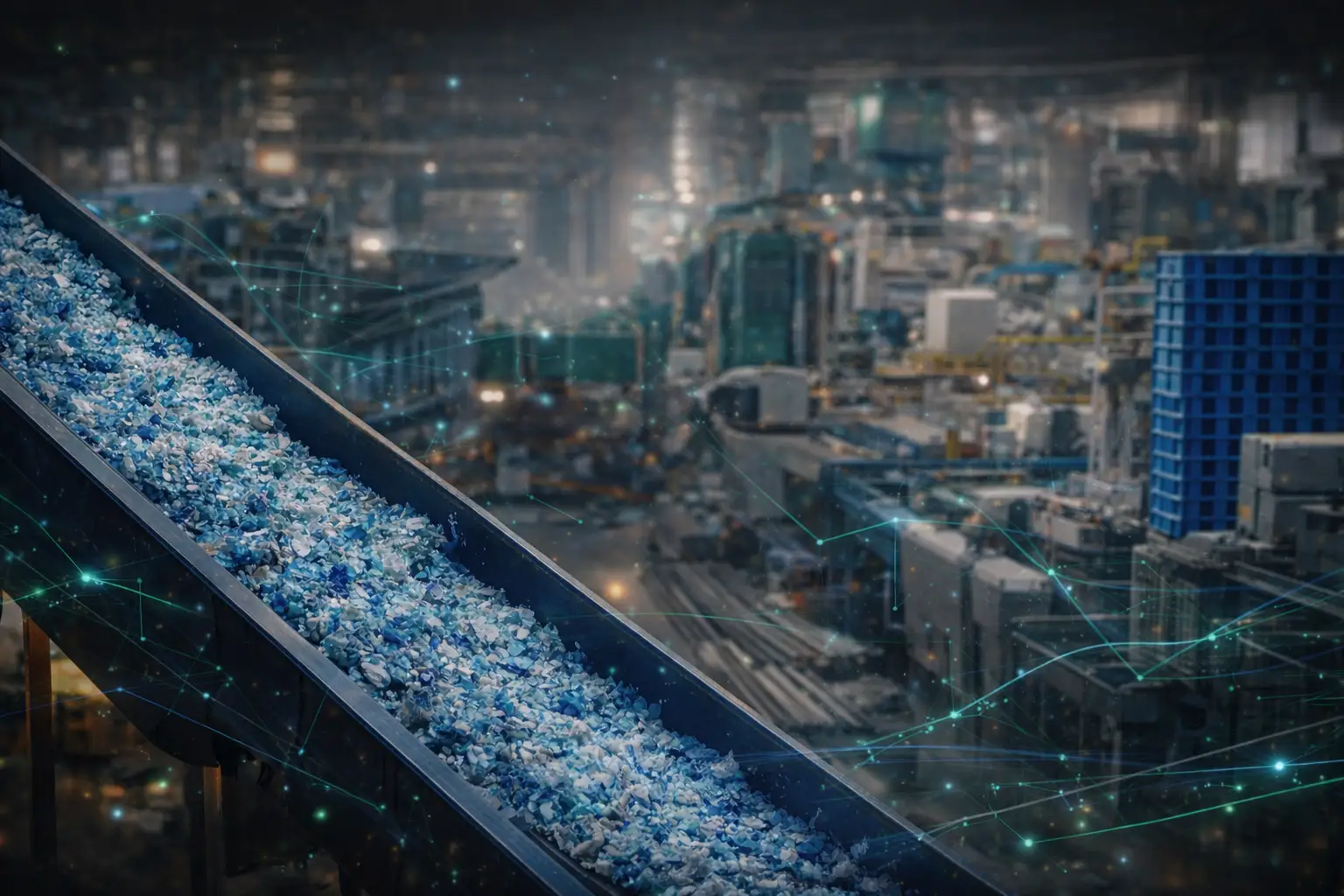

Businesses involved in plastic recycling and manufacturing often require consistent supplies of recoverable materials. Low-density polyethylene, commonly known as LDPE, is widely used in flexible packaging, films, bags, agricultural applications, and industrial materials. For companies searching to Buy LDPE Film In Bales, quality, consistency, bale preparation, and supplier reliability can directly affect processing efficiency.
Baled LDPE film can provide a practical way to transport and handle large quantities of lightweight plastic. Properly prepared bales occupy less space and make material movement more manageable across recycling and processing operations.
Understanding LDPE Film
What Is LDPE?
LDPE is a flexible thermoplastic recognized for its durability, low density, moisture resistance, and ability to form thin films. It appears in applications such as packaging film, shrink wrap, stretch film, and various commercial plastic products.
Because LDPE film is lightweight, loose material can consume considerable storage space. Baling compresses the film into denser units, making transportation and warehouse handling more efficient.
Why Buy LDPE Film In Bales?
Businesses that Buy LDPE Film In Bales can benefit from standardized handling and more efficient logistics. Bales can be loaded, transported, stored, and processed more easily than loose film.
But what makes one bale better than another? The answer often involves material composition, contamination levels, moisture, bale density, and consistency.
A reliable supply allows recyclers and processors to plan operations with greater confidence.
Quality Factors to Consider
Material Composition
LDPE film can come from different commercial and post-industrial sources. Buyers should understand the material’s origin and expected composition before purchasing.
A bale containing mostly suitable LDPE film can be easier to process than a mixed load containing incompatible plastics or excessive contaminants.
Contamination Levels
Dirt, food residue, paper, metal, labels, and other unwanted materials can affect processing efficiency. Excessive contamination may require additional sorting or cleaning.
For example, a recycler processing relatively clean film may spend less time preparing material than one handling heavily contaminated loads.
Bale Preparation
Bale density and consistency also matter. Properly prepared bales can simplify loading and unloading while improving storage utilization.
A well-organized supply chain treats bale specifications as an important purchasing consideration rather than an afterthought.
Applications for Recycled LDPE Film
Recycling Operations
LDPE film can be processed into recycled plastic materials that may support the production of new goods. The exact application depends on material quality, processing technology, and end-product requirements.
Manufacturing and Industrial Use
Manufacturers may use recovered LDPE as part of their broader material sourcing strategy. Recycled content can support resource efficiency when technical specifications are properly managed.
One notable fact about flexible plastics is their high volume-to-weight ratio. This explains why compaction through baling can make such a significant difference in transportation and storage.
Choosing a Reliable Supplier
Evaluate Specifications
Before purchasing, buyers should clarify bale weight, film type, contamination expectations, moisture conditions, and available quantities. Clear specifications reduce misunderstandings between buyers and suppliers.
Consider Supply Consistency
A supplier offering one suitable shipment is useful. A supplier capable of maintaining consistent quality over repeated transactions is even more valuable.
Could inconsistent material disrupt production schedules? It certainly can when processing systems depend on predictable feedstock.
Review Logistics
Transportation requirements should also be considered. Bale dimensions, shipment quantities, loading arrangements, and delivery schedules can influence the overall purchasing cost.
For international or long-distance transactions, logistics planning becomes especially important because transport costs can significantly affect the final material price.
Sustainability and the Circular Economy
Recovering LDPE film supports the broader circular economy by keeping useful plastic materials in productive use for longer. Instead of treating suitable film solely as disposable waste, recycling systems can transform it into a secondary resource.
For businesses, this can align material purchasing with wider sustainability objectives while encouraging more responsible resource use.
Frequently Asked Questions
1. What is LDPE film?
LDPE film is a flexible plastic material made from low-density polyethylene and commonly used in packaging and industrial applications.
2. Why is LDPE film sold in bales?
Baling compresses lightweight film, making storage, handling, loading, and transportation more efficient.
3. What should buyers check before purchasing?
Buyers should review material composition, contamination, moisture, bale weight, quantity, and consistency.
4. Can LDPE film be recycled?
Yes. Suitable LDPE film can enter recycling processes and become feedstock for new plastic materials.
5. Why does contamination matter?
Contamination can increase sorting and processing requirements and may reduce the usability of a bale.
6. Is bale consistency important?
Yes. Consistent bale specifications help processors plan storage, handling, and production more effectively.
7. Who may purchase LDPE film bales?
Recyclers, processors, manufacturers, material traders, and other businesses requiring flexible plastic feedstock may purchase LDPE bales.
8. How can buyers compare suppliers?
They can compare specifications, quality consistency, quantities, logistics, communication, and overall purchasing terms.
Conclusion
The market for recovered plastic materials is moving toward greater transparency, consistency, and resource efficiency. Businesses looking to Buy LDPE Film In Bales can benefit from treating every purchase as part of a broader supply-chain strategy rather than simply a commodity transaction. WasteMarkt provides a useful marketplace-oriented starting point for businesses exploring recyclable material opportunities and more efficient sourcing. Businesses interested in sourcing LDPE film and exploring broader recyclable material opportunities can visit WasteMarkt for relevant information.


