

A broken smartphone sitting in a drawer may not seem valuable. An outdated laptop stored in an office cabinet often appears to have reached the end of its usefulness. Yet hidden inside these everyday electronics is a surprising resource that continues to attract the attention of recyclers worldwide: gold.
As technology evolves at an incredible pace electronic waste is becoming one of the fastest-growing waste streams on the planet. At the same time industries continue searching for sustainable sources of precious metals. This is where Electronic Circuit Board Recycling is making a significant impact. By recovering valuable materials from discarded electronics, recyclers are turning yesterday’s devices into tomorrow’s resources.
The Hidden Wealth Inside Electronic Devices
Most electronic products contain printed circuit boards that act as the communication network for the entire device. These boards connect components and ensure electrical signals move efficiently between different parts.
To achieve reliable performance manufacturers often use gold in connectors, contacts and other critical areas. Gold is highly conductive and resistant to corrosion which makes it ideal for advanced electronics.
What surprises many people is that millions of discarded devices collectively contain substantial amounts of recoverable precious metals. A single circuit board may contain only a tiny quantity of gold. However when thousands of boards are processed together the value becomes significant.
This reality has transformed e-waste into an important source of secondary raw materials.
Why Electronic Circuit Board Recycling Matters More Than Ever
- The world generates enormous quantities of electronic waste every year. Smartphones, computers, networking equipment, industrial electronics and household devices are replaced faster than ever before.
- Without proper recycling valuable materials are lost while environmental risks increase.
- Electronic Circuit Board Recycling helps solve both challenges. Instead of allowing electronic waste to accumulate, recyclers recover metals that can be used again in manufacturing.
- This approach reduces pressure on natural resources while supporting more sustainable production systems. It also creates economic opportunities throughout the recycling supply chain.
In many ways discarded electronics have become a modern-day gold mine hidden in plain sight.
How Gold Is Recovered from E-Waste
The process through which Gold is recovered from electronic waste requires expertise in advanced technology and careful material handling.
Collection and Material Assessment
The journey begins with collecting obsolete electronic products from businesses, manufacturers, recycling facilities and consumers.
Once received the materials are evaluated and sorted according to their composition. Devices containing high-value circuit boards are identified for further processing.
Dismantling and Component Separation
Electronic products contain a mixture of plastics, metals, glass and circuit boards. These materials must be separated before precious metal recovery can begin.
Specialized facilities remove batteries, cables and non-metallic components while isolating circuit boards that contain valuable metals.
Mechanical Processing
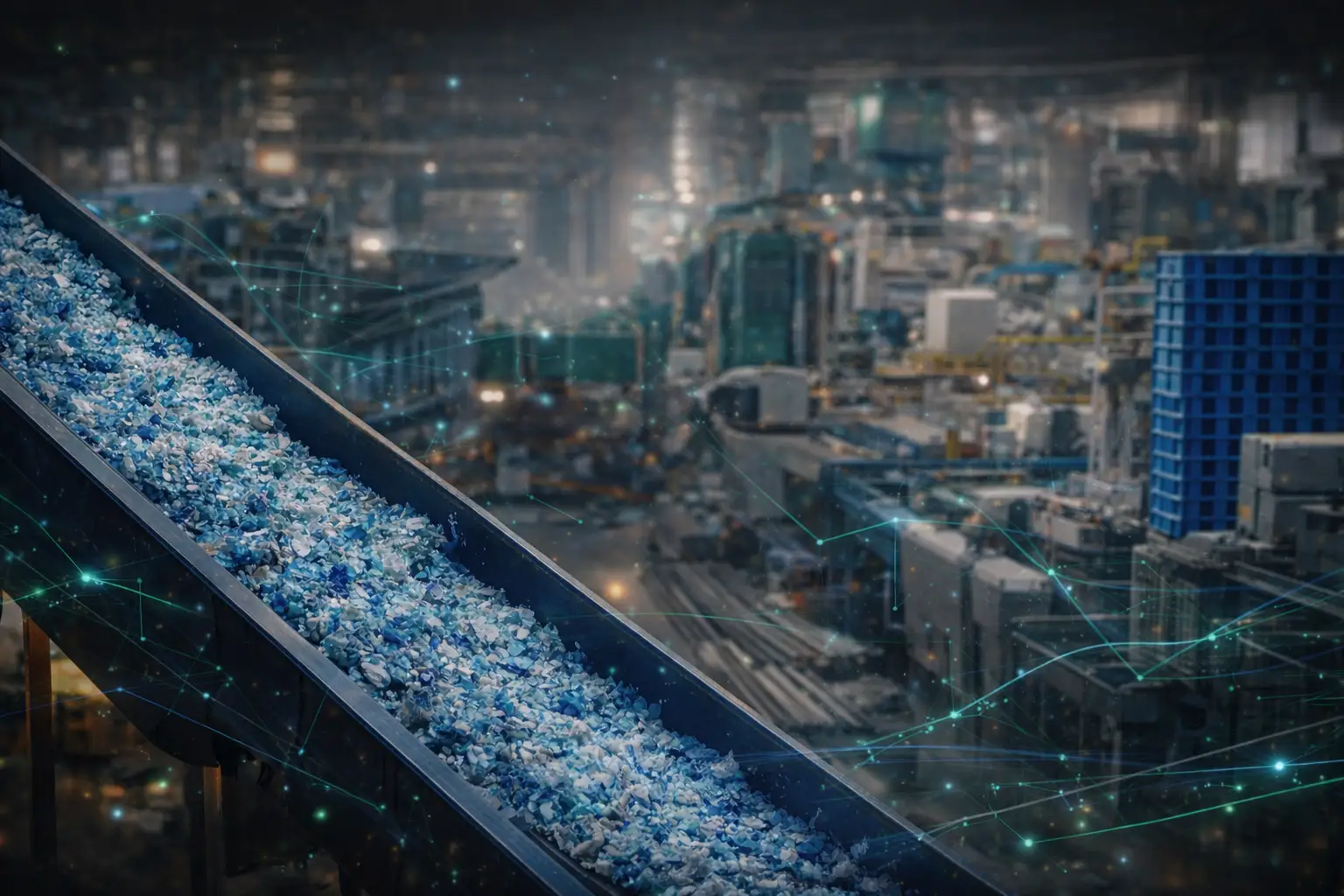
The circuit boards are then processed into smaller particles using industrial equipment. This stage helps concentrate metal-rich materials and improves recovery efficiency.
Precious Metal Refining
The concentrated material undergoes advanced refining procedures designed to extract gold and other valuable metals.
After purification the recovered gold can re-enter global supply chains where it may be used in electronics manufacturing, medical technology, aerospace applications and many other industries.
The Rise of Urban Mining
Traditionally precious metals have been sourced through mining operations. Today another approach is gaining momentum: urban mining.
Urban mining refers to recovering valuable resources from products that have already been manufactured and used.
Electronic waste represents one of the richest urban mining opportunities available. In some cases electronic scrap can contain higher concentrations of precious metals than naturally occurring ore deposits.
This makes Electronic Circuit Board Recycling not only environmentally beneficial but also economically attractive.
Industries Benefiting from Recovered Gold
- Recovered gold is not simply stored after recycling. It continues to play a critical role across numerous industries.
- Electronics manufacturers use recycled gold in circuit boards and connectors.
- Medical equipment producers rely on gold for highly precise applications.
- Aerospace companies value gold for its reliability under demanding conditions.
- Renewable energy technologies also incorporate precious metals into various components.
- The ability to recover and reuse gold helps strengthen supply chains while supporting resource efficiency.
- Every gram of Gold Recovered from e-waste helps reduce dependence on newly mined materials while supporting more sustainable manufacturing practices.
Challenges and Opportunities in E-Waste Recycling
Despite its advantages, the e-waste recycling sector faces several challenges. Collection systems remain underdeveloped in many regions. Public awareness is often limited and valuable electronics are frequently stored rather than recycled.
However these challenges also create opportunities.
As awareness grows businesses, governments and consumers are increasingly recognizing the value of responsible recycling. Investments in modern recovery technologies continue to improve efficiency and expand the potential for precious metal recovery.
The future of the industry looks promising as demand for sustainable material sources continues to increase.
FAQ
1. What is electronic circuit board recycling?
Electronic circuit board recycling is the process of recovering valuable metals and materials from discarded circuit boards found in electronic devices.
2. Why is gold used in circuit boards?
Gold offers excellent conductivity, durability and corrosion resistance which makes it ideal for electronic applications.
3. Can gold really be recovered from old electronics?
Yes. Specialized recycling and refining technologies can successfully recover gold from electronic waste.
4. What types of devices contain gold?
Smartphones, computers, servers, tablets, networking equipment and many industrial electronic systems contain small amounts of gold.
5. What is urban mining?
Urban mining is the recovery of valuable materials from discarded products rather than extracting them from natural ore deposits.
6. Are other metals recovered along with gold?
Yes. Silver copper palladium and several other metals can also be recovered during the recycling process.
7. Is electronic circuit board recycling environmentally friendly?
Yes. It reduces landfill waste and decreases reliance on traditional mining operations.
8. Who benefits from e-waste recycling?
Manufacturers, recyclers, businesses, governments and consumers all benefit from improved resource recovery.
9. Why is e-waste recycling becoming more important?
Growing electronic consumption and rising demand for precious metals are increasing the importance of responsible recycling.
10. What is the future of gold recovery from e-waste?
Advances in recycling technology and stronger sustainability goals are expected to drive significant growth in precious metal recovery from electronic waste.
Conclusion
The growing importance of Electronic Circuit Board Recycling demonstrates that waste is often a matter of perspective. What appears to be an obsolete device can contain valuable resources that remain useful long after the product itself has stopped functioning.
Through advanced recovery processes recyclers ensure that Gold Recovered from electronic waste continues contributing to new technologies and industrial applications. This approach supports sustainability, conserves natural resources and creates long-term value from materials that might otherwise be discarded. For businesses, recyclers and industry professionals looking to explore opportunities in electronic scrap trading precious metal recovery and Electronic Circuit Board Recycling WasteMarkt provides a dedicated platform where buyers sellers and recycling stakeholders can connect within the growing e-waste and recycling marketplace.


