
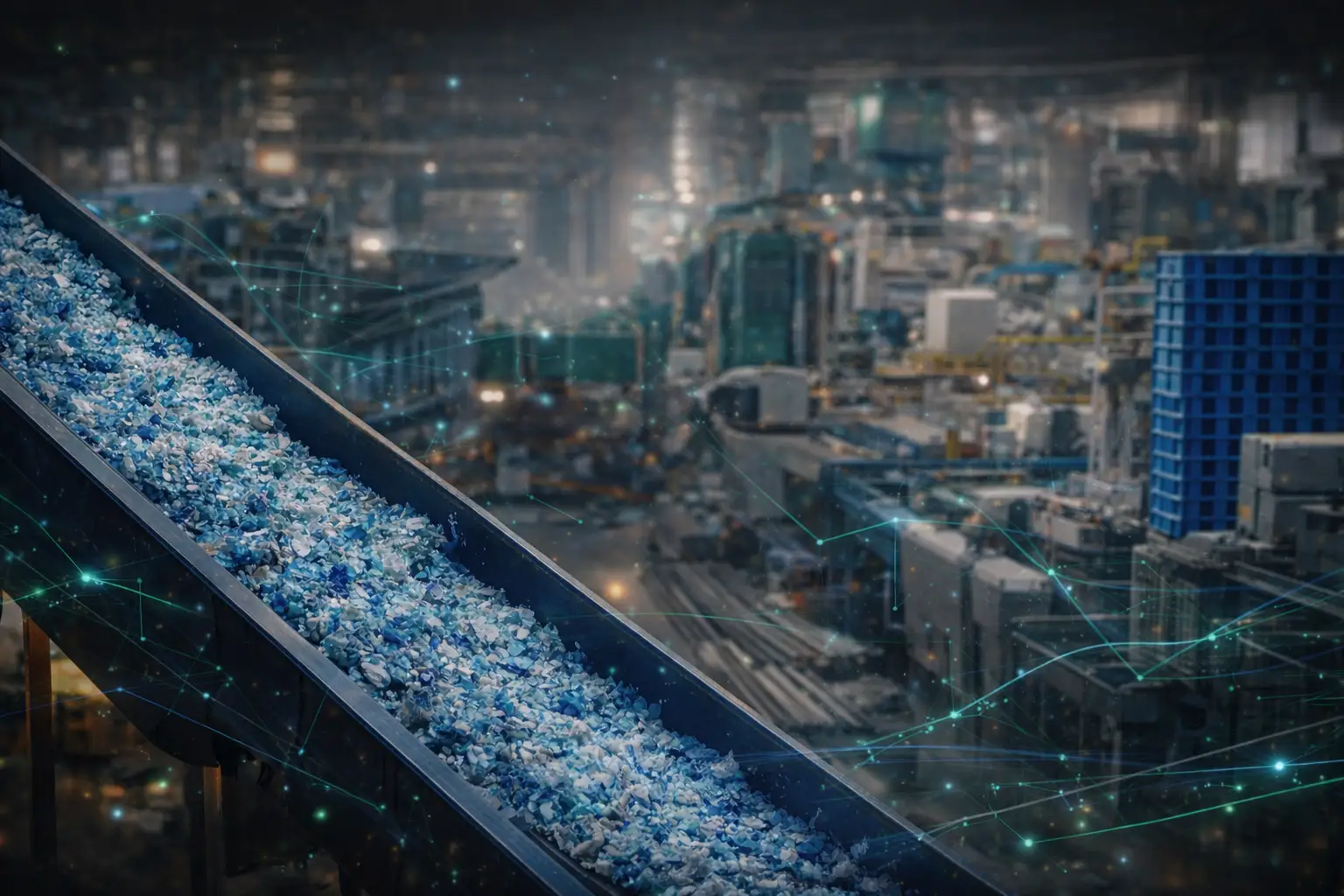

Polypropylene is one of the most widely used plastics in everyday products. It appears in packaging containers. Automotive components. Industrial parts. Household products and manufacturing materials. Once these products reach the end of their useful life they can become valuable recycling feedstock rather than ordinary waste.
For businesses holding production leftovers or used PP materials the question is simple: how can they sell PP scrap while getting the best possible return?
The answer depends on several factors including material purity. Sorting. Contamination. Volume. Physical form and current market demand. A well-prepared PP scrap load can be considerably more attractive to recyclers than a mixed or poorly handled batch.
Understanding PP Scrap Before Selling
PP stands for polypropylene and is commonly identified by the recycling number 5. It is a lightweight thermoplastic known for its durability and resistance to moisture and many chemicals.
PP scrap can come from several sources. Manufacturing facilities may generate rejected components. Runners. Trimmings and off-cuts. Commercial operations can produce used packaging and containers. Recycling operations may collect post-consumer PP items that require sorting and processing.
Not all PP scrap has the same value. Clean production scrap is generally easier to process than heavily contaminated post-consumer material. This distinction matters when companies negotiate with recyclers or buyers.
In fact recent research has shown that the quality of recycled PP can vary substantially because of contamination and mixtures of different PP grades.
Sort PP Scrap Before Putting It on the Market
One of the simplest ways to improve recycling value is proper sorting.
Why mix different materials when they can be separated before sale?
PP should be separated from PET plastic. HDPE. PVC. PS and other polymers whenever possible. Different colours and grades can also be separated when the available volume makes this practical.
For example a batch containing clean natural PP production scrap is easier for a recycler to evaluate than a load containing PP mixed with metal pieces. Labels. Rubber and other plastics.
Clear identification also helps buyers understand exactly what they are purchasing. When the material is consistent the buyer can make a more confident assessment and potentially offer better commercial terms.
This is especially useful for businesses searching for companies that buy plastic scrap because professional buyers generally need accurate information before making an offer.
Keep PP Scrap Clean and Dry
Contamination can quickly reduce the appeal of recyclable plastic.
Food residue. Dirt. Paper. Adhesives. Metal fragments and other polymers may increase processing costs. Moisture can also create handling and processing problems.
A practical approach is to store PP scrap in a covered and dry area. Production scrap should ideally be collected separately from general waste from the beginning.
Consider two loads of 2 tons each. The first contains clean PP manufacturing pieces stored properly. The second contains PP mixed with dirt and unrelated materials. Although both loads have the same gross weight their commercial value may be very different.
This is why preparation is not just housekeeping. It can directly influence the final transaction.
Identify the Type and Quality of PP
Before a buyer makes an offer the material may need more information than simply “PP.”
Important details can include the source of the scrap. Colour. Form. Estimated composition and processing history. For certain industrial applications buyers may also be interested in melt flow rate or MFR.
MFR is useful because it provides information about how the polymer behaves during processing. Recyclers can use such information when assessing the potential applications of recovered material.
Modern recyclate specifications can also consider characteristics such as tensile modulus. Impact strength. MFR. Chemical structure. Additives. Colour. Fillers and reinforcement.
That means sellers who understand their material can communicate more effectively with professional buyers.
Choose the Right Form of PP Scrap
Physical form matters.
PP scrap may be available as regrind. Flakes. Injection moulding scrap. Production off-cuts. Containers. Sheets or larger plastic components. Some buyers may prefer specific forms because their equipment is designed around a particular feedstock.
Clean and uniform material is usually easier to handle than bulky mixed pieces.
For example a manufacturer producing thousands of PP components every month could collect runners and rejected parts separately. Instead of allowing these materials to enter general waste streams the company can accumulate them as a consistent PP scrap stream.
That approach creates a much clearer product for the recycling market.
Compare Companies That Buy Plastic Scrap
Finding a buyer is only one part of the process. Finding the appropriate buyer is more important.
Businesses should compare companies that buy plastic scrap based on material requirements. Accepted grades. Collection options. Payment terms and logistics.
A buyer interested in clean industrial PP may not be the best match for mixed post-consumer material. Similarly a recycler looking for large regular shipments may be more suitable for a manufacturing facility than a buyer handling occasional small quantities.
When contacting buyers the seller can provide useful details such as:
- Approximate quantity available
- PP grade or known material type
- Colour
- Scrap form
- Source of the material
- Contamination level
- Photos of the actual material
- Collection location
- Whether supply is one-time or recurring
A clear description saves time for both sides and makes quotation discussions much easier.
Monitor Market Conditions Before You Sell
Plastic scrap values are not fixed forever.
Demand for recycled polymers can change according to manufacturing activity. Feedstock availability. Transportation costs and broader market conditions. California provides a useful example of how official recycling data can show changing values over time.
For sellers this means timing and market awareness can matter. If a large quantity is available regularly it may be worthwhile to discuss a recurring supply arrangement rather than treating every shipment as an isolated transaction.
Selling PP Scrap in California and the United States
Businesses operating in California and across the United States can encounter different recycling channels depending on the material source and local requirements.
California has established recycling programs that cover several plastic categories including #5 PP. Businesses should understand that official program values do not necessarily represent the price offered for every commercial PP scrap load.
Commercial and industrial PP scrap transactions can follow different arrangements so sellers should verify the requirements that apply to their specific material and business activity.
Location also affects transportation economics. A buyer offering a strong price may not necessarily provide the best overall deal if freight costs consume the difference. The practical selling price is the amount remaining after handling and logistics are considered.
Prepare a Better PP Scrap Listing
A strong listing should make the material easy to understand.
Instead of writing “PP scrap available” a more useful description could explain that the material consists of clean PP injection moulding production scrap with a defined colour and an estimated monthly quantity.
Photos can also help. Images showing the actual material provide buyers with a quick visual reference.
The goal is simple: reduce uncertainty.
When buyers have better information they can evaluate the opportunity faster. That can lead to more meaningful quotations and fewer back-and-forth questions.
Why Recycling Quality Matters
The real value of PP scrap is not simply its weight. Its value comes from its potential to become useful material again.
Research has highlighted the challenge of variability in post-consumer recycled PP. Different PP compositions and contaminants can influence mechanical performance and processing behaviour.
Better sorting therefore has a wider benefit. It helps recyclers produce more consistent recycled material and supports manufacturers that want dependable recycled feedstock.
So when a business prepares PP scrap carefully it is not merely improving a sale. It is helping create a cleaner and more predictable recycling stream.
A Practical Approach to Sell PP Scrap
For businesses looking to sell PP scrap successfully the process can be kept straightforward.
First identify the material. Then separate PP from other plastics. Remove avoidable contamination. Keep the material dry. Record approximate quantities and gather useful specifications. After that compare suitable buyers and evaluate the complete commercial offer including transportation.
A little preparation can make a surprising difference.
For businesses searching online for suitable recycling opportunities or buyers they can explore Waste Markt when looking to sell PP scrap and connect the subject of PP recycling with practical marketplace opportunities.
Frequently Asked Questions About Selling PP Scrap
1. What is PP scrap?
PP scrap is discarded or surplus polypropylene material that can be collected and processed for recycling. It can originate from manufacturing waste. Packaging. Containers and other plastic products.
2. What increases the value of PP scrap?
Cleanliness. Polymer purity. Consistent quality. Useful volume and proper sorting can all improve the attractiveness of PP scrap to recyclers.
3. Can mixed plastic scrap be sold?
Yes. However mixed materials may receive different offers because separation and processing can require additional work. Separating PP before sale can make the material easier for a buyer to evaluate.
4. Should PP scrap be stored indoors?
Where practical PP scrap should be kept covered and protected from excessive moisture and contamination. Good storage helps preserve material quality until collection.
5. How should a seller find companies that buy plastic scrap?
A seller can search for specialist recyclers and scrap marketplaces then compare their accepted materials. Quantities. Collection areas and purchasing terms before choosing a suitable buyer.
6. Does location affect PP scrap pricing?
Yes. Transportation distance and handling costs can influence the final economics of a transaction. A nearby buyer may sometimes provide a better overall deal even when another buyer initially quotes a higher material price.
7. Is all polypropylene scrap worth the same?
No. PP grades. Colours. Contamination levels. Source and physical form can differ significantly. Quality consistency is particularly important for recyclers producing recycled polypropylene feedstock.


