
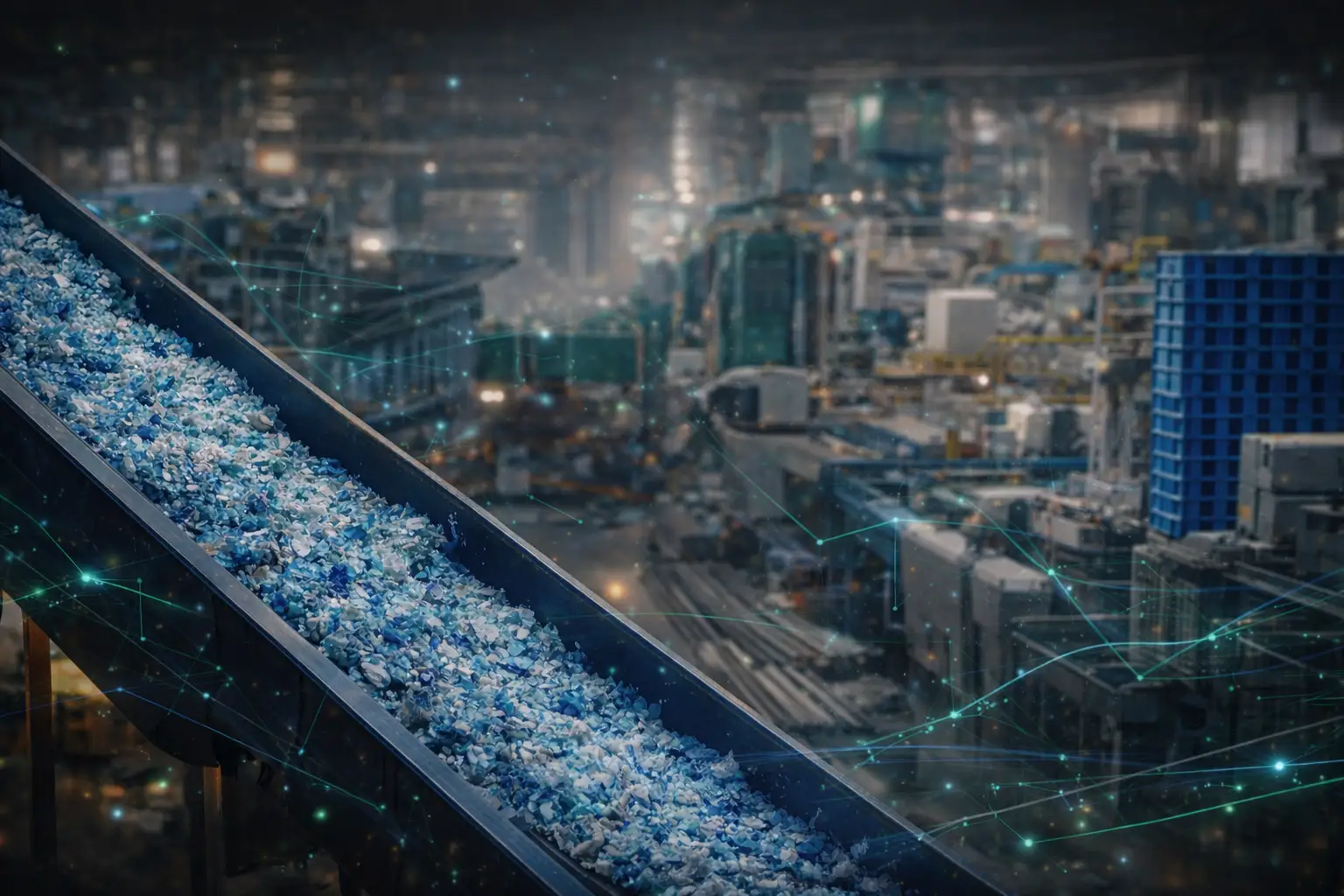

HDPE scrap has become a valuable material in the modern recycling market. High-density polyethylene is used in bottles, containers , pipes, drums, industrial packaging and many other everyday products. Once these items reach the end of their useful life they do not have to become a burden on the waste stream. With proper sorting and handling they can become a useful raw material for manufacturers.
For businesses and individuals looking to sell HDPE scrap the biggest opportunity often comes from understanding what buyers actually value. Clean material, consistent quality and proper preparation can make a significant difference in the final selling price. So how can HDPE scrap be prepared for better returns? The answer starts with knowing the material and treating it as a commodity rather than ordinary waste.
What Is HDPE Scrap?
HDPE stands for high-density polyethylene. It is a strong thermoplastic known for its durability and resistance to moisture and many chemicals. Common examples include detergent bottles, milk containers, plastic drums, water tanks, industrial containers and certain types of piping.
HDPE is also highly recyclable. Recycled HDPE can be processed into new containers, pipes, pallets, plastic lumber and various manufactured products.
An interesting fact is that HDPE can often retain useful physical properties after recycling when it has been properly collected and processed. This makes quality control especially important for anyone preparing material for the recycling market.
Why HDPE Scrap Has Recycling Value
Not all plastic waste has the same market value. HDPE is often attractive because recyclers can process it into reusable plastic feedstock.
The value of a particular load can depend on several factors. These include material grade color cleanliness, moisture content contamination volume and current market conditions.
For example a load containing clean natural HDPE bottles may attract different buyer interest than mixed plastic containing several polymer types. Why does this matter? Recycling facilities need predictable feedstock. The easier a material is to identify and process the more useful it can be to a buyer.
This is why businesses that sell plastic waste can benefit from separating HDPE before sending it to a recycling market.
How to Prepare HDPE Scrap Before Selling
Preparation is one of the most practical ways to improve the value of recyclable material.
1. Separate HDPE From Other Plastics
HDPE should be separated from materials such as PET PVC LDPE and polypropylene whenever possible. Different polymers have different melting points and processing characteristics.
A mixed load can create additional sorting work for a recycling facility. Proper separation can therefore make the material more attractive to specialized buyers.
2. Sort by Color
Color can also influence marketability. Natural or translucent HDPE is often treated separately from colored HDPE. Black blue , green and other colored materials may have different applications.
A well-organized supply of one consistent color can be easier for a processor to manage than a mixed batch.
3. Remove Contamination
Food residue chemicals, dirt labels, metal pieces and other unwanted materials can reduce the quality of a load.
Before the material is offered for sale it should be inspected carefully. Containers that previously held hazardous substances may require special handling. Safety should always take priority over recovery value.
4. Control Moisture
Wet plastic can increase transportation weight without increasing the actual value of the polymer. Excess moisture can also create handling and processing problems.
Keeping HDPE clean and reasonably dry can make the material easier to store, transport and evaluate.
5. Compact Large Volumes
Businesses generating substantial quantities of HDPE can consider baling or compacting the material. Compact loads can use transportation space more efficiently.
For example a manufacturing facility may generate HDPE packaging every week. Instead of sending small quantities away immediately the facility can establish a collection system and build a consistent load. A larger volume may create stronger negotiating potential with recycling buyers.
What Buyers Look For in HDPE Scrap
When a recycler evaluates HDPE scrap several questions usually come into play.
Is the material genuinely HDPE? Is it clean? Is the grade consistent? Is there excessive moisture? How much material is available? Can the load be transported efficiently?
These questions show why documentation can be useful. A seller who can explain the source type and approximate quantity of the material gives the buyer more information before a transaction begins.
A clear description can also reduce misunderstandings. Instead of simply saying that a business has plastic scrap the seller can describe it as post-industrial HDPE containers with a specific color and approximate monthly volume.
That small difference can make the material sound far more commercially useful.
Finding the Right Market for HDPE Scrap
The right buyer is not always the closest buyer. Recycling companies, plastic processors, scrap traders and manufacturers may have different purchasing requirements.
People searching for who buys plastic scrap near me should compare more than the advertised price. They can also consider collection options, minimum quantities payment terms, transportation requirements and accepted grades.
For sellers in California the recycling market can include opportunities from industrial operations, commercial facilities and other material generators. Businesses operating in the United States may also have access to regional buyers that specialize in specific plastic grades.
The best approach is to identify buyers that regularly handle HDPE rather than approaching a general waste service without checking its recycling capabilities.
How to Get a Better Price When Selling HDPE Scrap
Price negotiation becomes easier when the seller understands the material.
A buyer may offer different rates for mixed HDPE and sorted HDPE. Clean material with low contamination can have stronger value than material requiring extensive processing.
Volume can also matter. A consistent monthly supply may be more attractive than a one-time small load because it gives a recycler predictable access to feedstock.
Sellers can improve their position by collecting accurate information about the material before requesting an offer. Photos can help communicate the condition of the scrap. Details about approximate weight color source and contamination level can also make discussions more efficient.
The goal is not simply to find the highest number. The goal is to find a realistic buyer offering suitable terms for the actual quality of the material.
Common Mistakes That Reduce HDPE Scrap Value
Several avoidable mistakes can lower the potential value of HDPE.
One common problem is mixing several plastic types together. Another is allowing the material to become heavily contaminated. Poor storage can also introduce dirt moisture and unwanted materials.
Some sellers also wait until the last moment before looking for a buyer. This can create storage pressure and reduce negotiating flexibility.
A better strategy is to develop a regular recycling routine. Material can be separated at the source and stored in designated areas. Once a useful quantity has accumulated the seller can contact suitable recycling buyers.
Turning HDPE Waste Into a Long-Term Recycling Opportunity
For businesses that regularly generate plastic scrap HDPE recovery can become part of a broader waste management strategy.
A manufacturing company may create HDPE offcuts during production. A warehouse may receive products packed in HDPE containers. A commercial facility may generate large quantities of plastic packaging.
Instead of treating these materials as ordinary waste the business can establish a system for identification collection storage and sale.
Over time this can create a more organized material recovery process. It may also reduce unnecessary disposal and support a circular approach to plastic use.
Why Proper Sorting Makes a Difference
Recycling works best when materials arrive in a condition that matches the requirements of the next processing stage.
That is the central idea behind successful HDPE scrap selling. Better preparation creates better information. Better information helps buyers evaluate loads more confidently.
So before sending HDPE scrap to market the seller should ask one simple question. Is the material being presented as waste or as a usable recyclable resource?
That perspective can influence everything from storage and sorting to buyer selection and negotiation.
Finding an Online Marketplace for HDPE Scrap
For those searching online for ways to sell HDPE scrap, an established waste marketplace can make the process easier by connecting material sellers with relevant recycling opportunities.
Waste Markt can be explored by readers looking for an online route to list or discover recyclable waste materials. A marketplace focused on waste trading can help make the search more direct for businesses seeking practical options for their recyclable materials.
Frequently Asked Questions About Selling HDPE Scrap
What is the most valuable type of HDPE scrap?
Clean and well-sorted HDPE can generally be more attractive to recyclers than heavily contaminated mixed plastic. Grade color consistency and volume can all influence the market value.
Can colored HDPE be recycled?
Yes. Colored HDPE can be recycled and used in various applications. However color separation can be important because different colors may have different end uses.
Should HDPE scrap be cleaned before selling?
Cleaning and removing contamination can improve the quality of the material. The required level of cleaning depends on the buyer and the intended recycling process.
Where can businesses find buyers for HDPE scrap?
Businesses can contact plastic recyclers, scrap traders and specialized waste marketplaces. Online platforms can also help sellers identify potential buyers based on material type.
Why is separating HDPE from other plastics important?
Different plastic polymers have different processing characteristics. Separating HDPE can reduce sorting requirements and help buyers evaluate the material more efficiently.
Can small quantities of HDPE scrap be sold?
Some buyers focus on large commercial volumes while others may accept smaller quantities. The available options depend on location, material quality and buyer requirements.
How can a seller improve the value of HDPE scrap?
The seller can focus on clean sorting, consistent grading, proper storage, accurate weight information and efficient transportation. These factors can make the material easier for recyclers to process and evaluate.


